

How Often Should I Take Bentol? Dosage and Safety Tips
Looking for the magic dosage that keeps your gut happy without turning you into a human science experiment? You’re in the right place! In this article, “How Often Should I Take Bentol? Dosage and Safety Tips,” we’ll navigate the sometimes dizzying world of bentonite clay like seasoned pros. No, it’s not just for mud baths or experimental spa days; Bentol could be your ticket to digestive peace! But before you dive headfirst into the clay, let’s dish out the important details on how often to take it, along with some safety tips that’ll keep you from turning into a walking health hazard. So grab a snack (that doesn’t involve clay), sit back, and let’s explore the ins and outs of Bentol!
Page Contents
- Understanding Bentol and Its Uses
- Determining the Right Dosage for Your Needs
- Factors Influencing How Often to Take Bentol
- Safety Precautions When Using Bentol
- Potential Side Effects and How to Manage Them
- When to Consult Your Doctor About Bentol
- Tips for Remembering Your Medication Schedule
- Storing and Handling Bentol Properly
- Making the Most of Your Bentol Treatment Plan
- Faq
- Wrapping Up
- Rivaroxaban Patient Education: Essential Tips
- Accidentally Took Double Dose of Propafenone? The Shocking Reality
- Rivotril for Depression: Can It Help?
- Apixaban vs Rivaroxaban vs Dabigatran: Choosing the Best Anticoagulant
- What If I Forgot to Refrigerate My Kombucha: Is It Spoiled?
- Semaglutide: What Happens If It Isn't Refrigerated?
Understanding Bentol and Its Uses
Bentol, a common name for bentonite clay, is widely recognized for its various applications in both health and wellness. This natural substance is predominantly composed of volcanic ash and is known for its impressive capacity to absorb toxins, making it a popular choice in detoxification practices. **Individuals often use Bentol for:**
- Digestive Health: Many people report relief from digestive issues such as bloating and gas.
- Skin Treatments: Bentonite clay is frequently used in facial masks and beauty products for its ability to draw impurities from the skin.
- Detoxification: As an internal cleanser, it can help to eliminate unwanted substances from the body.
When considering the utilization of Bentol, it’s crucial to understand the proper dosage and frequency of intake to avoid potential side effects. Typical recommendations suggest starting with a lower dosage, around **1 teaspoon mixed in water**, taken 1-2 times a day. Gradually, individuals can adjust based on their body’s response. However, it’s essential to space out doses and not exceed the maximum recommended amount. Here’s a simple table summarizing the recommended dosages:
| Dosage | Frequency |
|---|---|
| 1 teaspoon | 1-2 times daily |
| 2 teaspoons | Not more than once a day |
Always stay hydrated and consult a healthcare professional if you have any pre-existing conditions or are pregnant. Proper understanding of Bentol will not only enhance your experience but also keep your wellness journey safe and effective.
Determining the Right Dosage for Your Needs
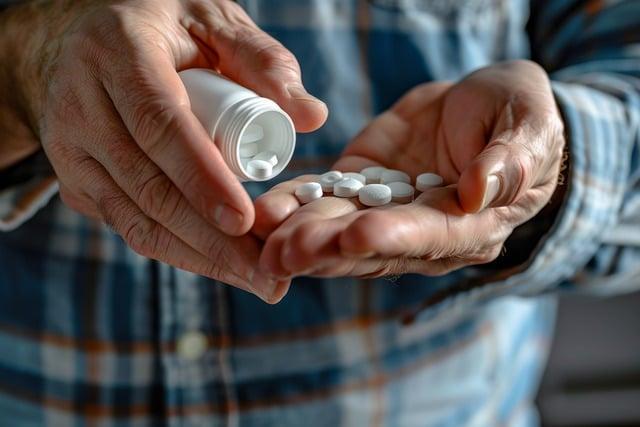
When it comes to finding the correct dosage for Bentol, it’s essential to consider various personal factors that can influence your needs. Below are some critical aspects that should be taken into account:
- Medical history: Always consult with a healthcare professional if you have pre-existing medical conditions or are taking other medications.
- Age and weight: Your physical characteristics can significantly affect how your body metabolizes medication. Children and elderly patients may require adjusted dosages.
- Severity of symptoms: The intensity of your condition will also guide the appropriate dosage. Mild symptoms may necessitate lower doses, while more severe cases could require higher amounts.
It’s also vital to follow a consistent schedule when taking Bentol. This helps maintain stable drug levels in your system, contributing to its effectiveness. A typical dosing guideline includes:
| Dosing Frequency | Typical Dosage |
|---|---|
| Once Daily | Start with 5 mg |
| Twice Daily | 10 mg in total |
Always remember to listen to your body. If you experience side effects or feel that the medication isn’t working as intended, do not hesitate to reach out to your healthcare provider for guidance. They may recommend adjusting your dosage or exploring alternative treatments that better suit your needs.
Factors Influencing How Often to Take Bentol
When determining how frequently to take Bentol, several crucial factors come into play that can significantly affect dosing recommendations. **Individual health status** is paramount; those with pre-existing medical conditions or those taking other medications might require tailored advice from a healthcare professional. **Age and weight** can also influence how the body metabolizes the drug, necessitating adjustments in frequency based on these factors.
Another key aspect is the **severity of the condition** being treated. Individuals experiencing more intense symptoms may need to take Bentol more regularly as compared to those with milder symptoms. Additionally, **lifestyle factors**, such as diet and stress levels, can impact how often this medication should be taken. For example, if a person’s stress levels rise, they might find a need to increase their dosage temporarily.
| Factor | Influence on Dosage Frequency |
|---|---|
| Individual Health Status | Potential adjustments needed |
| Age and Weight | May require modified dosing |
| Severity of Condition | Higher severity can increase frequency |
| Lifestyle Factors | Diet and stress can necessitate changes |
Safety Precautions When Using Bentol
When using Bentol, it is crucial to adhere to specific safety precautions to ensure a positive experience and minimize potential risks. Being informed about these measures can enhance both your safety and the efficacy of the treatment.
- Consult Your Healthcare Provider: Always have a discussion with your doctor before starting Bentol, especially if you have underlying health conditions or are taking other medications.
- Follow Dosage Instructions: Stick to the prescribed dosage to avoid complications. Taking more than recommended can lead to adverse effects.
- Monitor for Side Effects: Pay close attention to your body’s reactions. If you experience any unusual symptoms, contact your healthcare professional immediately.
- Avoid Alcohol: Consuming alcohol while taking Bentol can exacerbate side effects and interfere with its effectiveness.
- Stay Hydrated: Keeping hydrated can help your body manage the treatment better, reducing the likelihood of side effects like dizziness or dehydration.
In addition to these precautions, it’s beneficial to keep a record of your symptoms and any changes that occur while using Bentol. This can provide valuable insight for you and your healthcare team, ensuring the safest and most effective use of the medication.
Potential Side Effects and How to Manage Them
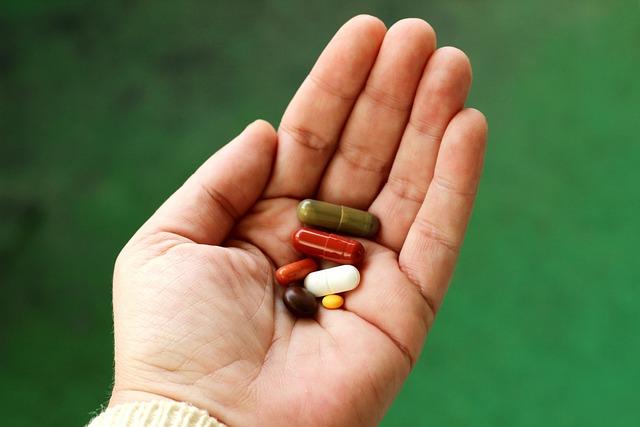
While Bentol is effective for managing symptoms, it’s essential to be aware of potential side effects that may occur. Common reactions can include:
- Dry mouth: Keeping hydrated can help mitigate this effect.
- Dizziness: Stand up slowly to prevent lightheadedness.
- Constipation: Increasing fiber intake and fluid consumption can be beneficial.
More serious side effects, though less common, should also be monitored. These can include:
- Severe allergic reactions: Seek immediate medical attention if you experience swelling or difficulty breathing.
- Vision changes: Consult your healthcare provider if you encounter sudden changes in eyesight.
- Heart palpitations: If you notice irregular heartbeats, it’s important to get evaluated by a doctor.
Managing these side effects often involves open communication with your healthcare provider. They can offer personalized solutions and adjust your dosage if necessary. Regular check-ins can help ensure that you remain within a safe dosage range while minimizing side effects.
When to Consult Your Doctor About Bentol
Monitoring your health while taking Bentol is crucial, as seeking medical advice can help prevent complications and ensure the medication is effective for you. It’s essential to consider consulting your doctor if you experience any of the following symptoms:
- Worsening Side Effects: If you notice increased dizziness, nausea, or fatigue that disrupts your daily activities.
- Persistent Symptoms: If the condition you’re treating with Bentol, such as IBS or ulcers, does not improve within a few weeks of starting treatment.
- Severe Allergic Reactions: Signs such as hives, difficulty breathing, or swelling of your face and throat should prompt immediate medical attention.
- Unexplained Changes in Health: Sudden weight loss, changes in appetite, or any unusual discomfort may require further investigation.
Additionally, regular check-ups with your doctor can help you evaluate the efficacy of Bentol and any potential interactions with other medications you may be taking. Keeping an open line of communication will empower you to manage your health more effectively and ensure optimal treatment outcomes.

Tips for Remembering Your Medication Schedule
Staying on track with your medication schedule can be challenging, but there are several effective strategies you can employ to ensure you never miss a dose of Bentol. Here are some practical suggestions:
- Create a Medication Calendar: Use a physical or digital calendar to mark the days and times when you need to take your medication. Visual reminders can be a great motivator!
- Set Alarms: Utilize your smartphone or a dedicated alarm clock to set reminders. Consider putting alarms for both taking the medication and refilling your prescriptions.
- Use a Pill Organizer: Invest in a weekly or monthly pill organizer that sorts your medications by day and time. This can reduce confusion about whether you’ve taken your dose.
- Pair with Daily Activities: Link taking your medication to a daily habit, such as brushing your teeth or eating meals, to reinforce the routine.
- Keep a Medication Log: Maintain a simple log to track doses taken. This can help you identify patterns and ensure that you’re adhering to your schedule.
In case of traveling or changes in routine, always carry a sufficient supply of your medication and adjust your reminders accordingly. Knowing the importance of consistency in your medication regimen can help improve your overall health and well-being.
Storing and Handling Bentol Properly
Proper storage and handling of Bentol are crucial for maintaining its effectiveness and ensuring safety. Here are some key tips to keep in mind:
- Temperature Control: Store Bentol in a cool, dry place, ideally between 20°C to 25°C (68°F to 77°F). Avoid exposure to extreme temperatures, which can compromise its potency.
- Light Protection: Keep the packaging tightly closed and away from direct sunlight. Light exposure can degrade the medication, reducing its effectiveness over time.
- Moisture Prevention: Store the medication in a moisture-free environment. Avoid bathrooms or places prone to humidity which could cause the product to deteriorate.
When handling Bentol, wash your hands before and after to prevent contamination. If you’re taking multiple medications, it’s advisable to check with a healthcare provider or pharmacist regarding any potential interactions. always refer to the expiry date on the packaging before use, discarding any expired products in accordance with local disposal regulations.

Making the Most of Your Bentol Treatment Plan
To truly benefit from your Bentol treatment plan, consider the following strategies that can enhance your experience and ensure you’re getting the most out of your medication:
- Establish a Routine: Consistency is key when taking Bentol. Set a schedule, whether it’s alongside meals or at specific times of the day, to help you remember your doses.
- Track Your Symptoms: Keep a journal to monitor any changes in your symptoms, side effects, and overall well-being. This can help both you and your healthcare provider make informed decisions regarding your treatment.
- Communicate Openly with Your Doctor: Regularly discuss your treatment plan with your healthcare provider. Don’t hesitate to share any concerns or side effects you experience; adjustments may be necessary for optimal results.
In addition to these strategies, it’s essential to keep awareness of the dietary and lifestyle changes that may complement your treatment. For instance:
| Complementary Strategies | Benefits |
|---|---|
| Stay Hydrated | Helps reduce potential side effects and increases overall wellness. |
| Maintain a Balanced Diet | Supports your body’s needs and can mitigate some side effects. |
| Regular Physical Activity | Improves mood, energy levels, and overall health, enhancing treatment efficacy. |
By implementing these practices, you’ll not only maximize the potential of your Bentol treatment plan but also promote a healthier and more balanced lifestyle.
Faq
Q: What is Bentol, and what is it used for?
A: Bentol, which contains the active ingredient bentonite, is primarily used as a natural detoxifying agent and is often employed to alleviate digestive issues such as diarrhea or bloating. It works by absorbing toxins and helping to clear the digestive tract.
Q: How often should I take Bentol?
A: The recommended dosage of Bentol typically depends on the specific product formulation and your individual needs. Generally, adults can take it 1-3 times a day. However, it’s crucial to follow the dosage instructions on the label or as prescribed by your healthcare provider. Be mindful of how your body responds, and adjust accordingly.
Q: Are there any safety tips to consider when taking Bentol?
A: Yes, several safety tips can enhance your experience with Bentol:
- Hydration: Drink plenty of water, as bentonite can absorb fluids along with toxins. Adequate hydration helps prevent constipation.
- Timing: If you’re taking any medications, space them at least 1-2 hours apart from Bentol to ensure it doesn’t interfere with absorption.
- Consultation: If you are pregnant, nursing, or have any underlying health conditions, consult your healthcare provider before starting Bentol.
Q: Are there any potential side effects I should be aware of?
A: While Bentol is generally considered safe for most people, some may experience mild side effects such as constipation, stomach discomfort, or allergic reactions. If you notice severe side effects or an unusual reaction, it’s important to discontinue use and consult a healthcare professional.
Q: Can I take Bentol if I have existing medical conditions?
A: If you have existing medical conditions, especially those related to the digestive system, it’s essential to consult with your healthcare provider prior to taking Bentol. They will assess your situation and advise you on the safest approach to using this product.
Q: How do I know if Bentol is working for me?
A: You can gauge the efficacy of Bentol by monitoring improvements in your symptoms. If you notice a decrease in digestive discomfort or improved regularity, it may be working well for you. Keep track of how your body responds and discuss any concerns with your healthcare provider.
Q: Can children take Bentol?
A: It’s best to consult a pediatrician before giving Bentol to children. Dosage for children can differ from adults, and a healthcare provider can offer the best guidance tailored to your child’s needs.
Q: What should I do if I miss a dose of Bentol?
A: If you miss a dose, take it as soon as you remember unless it’s close to the time for your next dose. In that case, skip the missed dose and continue with your regular schedule. Avoid doubling up to make up for a missed dose.
By understanding these aspects, you’ll be better equipped to use Bentol safely and effectively. Remember, when in doubt, a conversation with your healthcare provider is always a wise move.
Wrapping Up
finding the right dosage of Bentol is essential for maximizing its benefits while ensuring your safety. Always listen to your body and consult with your healthcare provider if you have any doubts or experience any side effects. Remember, consistency is key, but so is mindfulness when it comes to your health. By following these guidelines and tips, you can confidently integrate Bentol into your routine. Stay informed, stay safe, and take charge of your wellness journey!
