Metformin

Metformin is the foundational biguanide antihyperglycemic agent that activates adenosine monophosphate-activated protein kinase (AMPK) to inhibit hepatic gluconeogenesis and augment peripheral tissue insulin sensitivity in type 2 diabetes mellitus and metabolic syndrome.

Foundational Pillars & Clinical Guides

Pill Identification

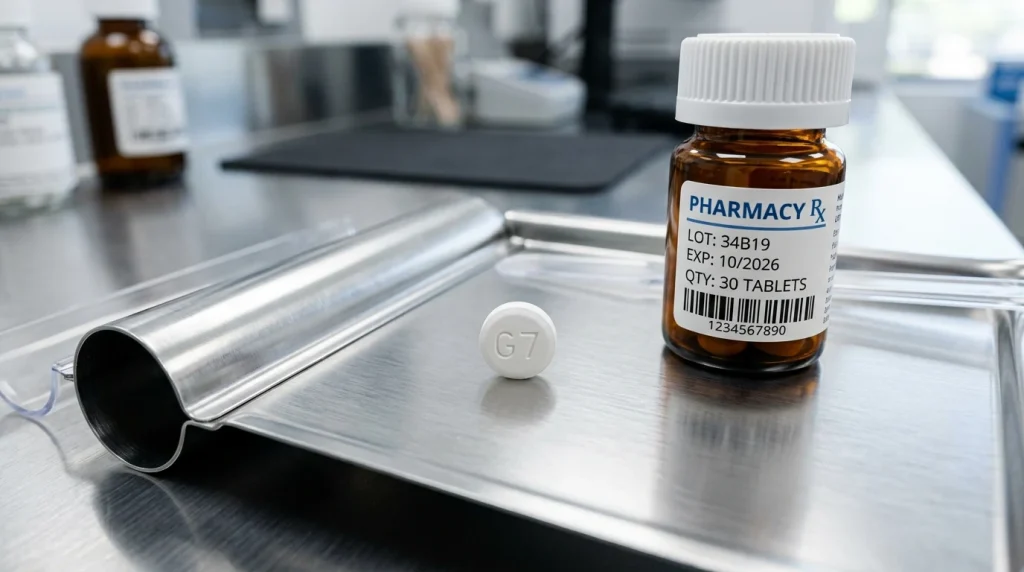
Metformin Pill G7: Imprint & Dosage Guide | MedicineBD

Imprint codes, tablet scoring, manufacturer markers, and pharmaceutical verification.

Patient Candidacy

Can Anyone Take Metformin? Who It Is For | MedicineBD

Evidence-based eligibility criteria, contraindications, and baseline metabolic evaluation.

Safety Advisory

Order Glucophage Without Prescription? Dangers | MedicineBD

Risks of unverified sourcing, generic quality standards, and prescription safety.

Clinical Monograph

Metformin Tablet: Uses, Dosages & Safety | MedicineBD

Immediate-release vs. extended-release tablets, daily therapeutic windows, and pharmacology.

Hepatic Gluconeogenesis Suppression, Insulin Sensitization & Metabolic Science

Metformin remains the universally recommended first-line pharmacological intervention for type 2 diabetes mellitus due to its robust glycemic efficacy, absence of hypoglycemia risk as monotherapy, weight-neutral or modest weight-reduction profile, and proven cardiovascular safety. At the subcellular level, metformin acts primarily on hepatocytes by inhibiting mitochondrial respiratory-chain complex I, which elevates the intracellular AMP-to-ATP ratio and activates AMP-activated protein kinase (AMPK).

AMPK activation suppresses key gluconeogenic enzymes—including phosphoenolpyruvate carboxykinase (PEPCK) and glucose-6-phosphatase—thereby blunting excessive nocturnal and basal hepatic glucose output by approximately 20% to 30%. Concurrently, metformin enhances peripheral glucose uptake in skeletal muscle via GLUT4 translocation and stimulates intestinal GLP-1 secretion while favorably altering the gut microbiome composition.

Formulation / StrengthPharmacokinetics & Release ProfileClinical Recommendation
Immediate-Release (IR) 500-1000 mgPeak plasma concentration at 2.5 hours; BID/TID dosingStandard first-line titration with meals to minimize GI distress
Extended-Release (XR) 500-1000 mgDual-polymer matrix tablet; once-daily evening dosingSuperior gastrointestinal tolerability for patients intolerant of IR forms
Dose Range: 1500 to 2550 mg/dayLinear dose-response plateauing near 2000 mg dailyOptimal therapeutic window for target HbA1c reduction (1.0% to 1.5%)
Renal Monitoring (eGFR)Eliminated 90% unchanged via active tubular secretionSafe if eGFR > 45 mL/min; reduce dose at 30-44; stop if eGFR < 30

Therapeutic Directory & Monograph Index

Dosage Timing & Formulation Comparison

Optimal meal timing, immediate vs. extended release profiles, and tablet identification guides.

Metabolic Indications & Combinations

Type 2 diabetes, prediabetes prevention, PCOS insulin resistance, and dual therapy with GLP-1s.

Safety Protocols & Tolerability

Managing gastrointestinal symptoms, vitamin B12 monitoring, and lactic acidosis contraindications.

Frequently Asked Clinical Questions

When is the best time of day to take metformin?

Immediate-release (IR) metformin is best taken with morning and evening meals to minimize common gastrointestinal side effects such as nausea or diarrhea. Extended-release (XR) metformin should be taken once daily with the evening meal to suppress early-morning hepatic gluconeogenesis.

Why does long-term metformin use require Vitamin B12 monitoring?

Metformin interferes with the calcium-dependent binding of intrinsic factor-vitamin B12 complexes in the ileum, causing biochemical vitamin B12 deficiency in up to 10% to 30% of long-term users. Annual serum B12 screening is recommended to prevent peripheral neuropathy misdiagnosis.

What is metformin-associated lactic acidosis (MALA) and who is at risk?

MALA is an extremely rare but severe metabolic complication characterized by blood lactate > 5 mmol/L and arterial pH < 7.35. It occurs almost exclusively when metformin accumulates in patients with severe renal failure (eGFR < 30 mL/min/1.73m²), decompensated heart failure, or severe hepatic impairment.

Clinical Reference & E-E-A-T Institutional Governance

Authored and maintained by the Clinical Pharmacology & Pharmacotherapy Editorial Desk at MedicineBD. All synthesized monographs reflect consensus findings from the U.S. Food and Drug Administration (FDA), European Medicines Agency (EMA), and peer-reviewed clinical pharmacokinetics compendia.

Statutory Notice: This clinical pharmacotherapy reference models published pharmacological compendia, clinical trial data, and regulatory guidelines for informational and educational purposes only. It does not constitute medical advice, diagnosis, or personalized treatment recommendations. For individualized medication management or prescription guidance, consult a licensed healthcare practitioner or clinical pharmacist.

Macro photograph of a white round pharmaceutical tablet debossed with imprint G7 on a pharmacy tray

Metformin

Metformin Pill G7: Imprint & Dosage Guide | MedicineBD

A pill debossed with the imprint “G7” is an authentic generic Metformin Hydrochloride 500 mg ...

READ MORE

Physician desk with stethoscope, medication prescription pad, and clinical eligibility checklist

Metformin

Can Anyone Take Metformin? Who It Is For | MedicineBD

No, metformin cannot be taken by anyone. While metformin is one of the safest medications ...

READ MORE
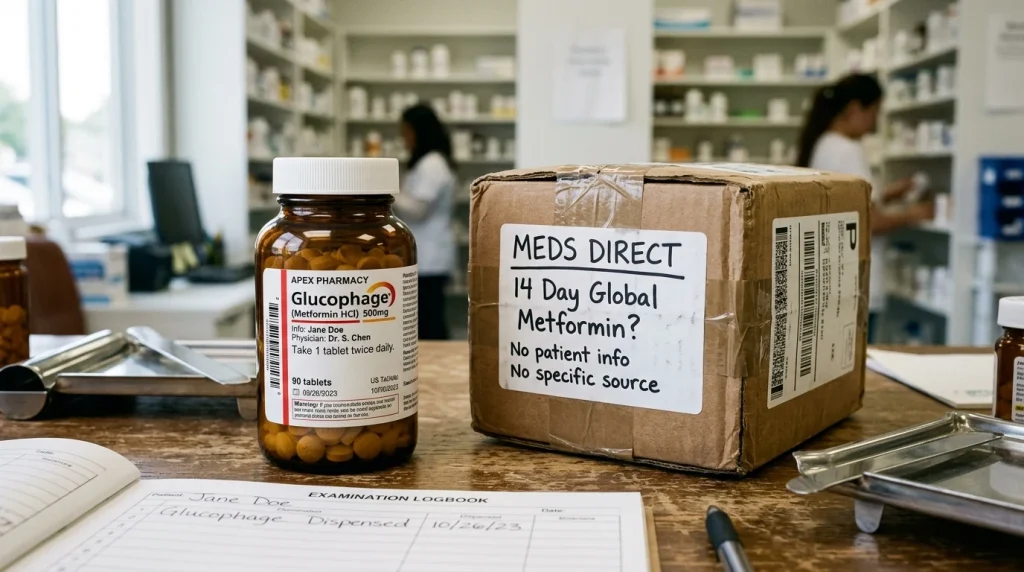
Pharmacy consultation desk contrasting authentic prescription Glucophage bottle with unverified mail order parcel

Metformin

Order Glucophage Without Prescription? Dangers | MedicineBD

Ordering cheap Glucophage (metformin) online without a prescription is illegal and dangerous. Websites offering “no-prescription ...

READ MORE
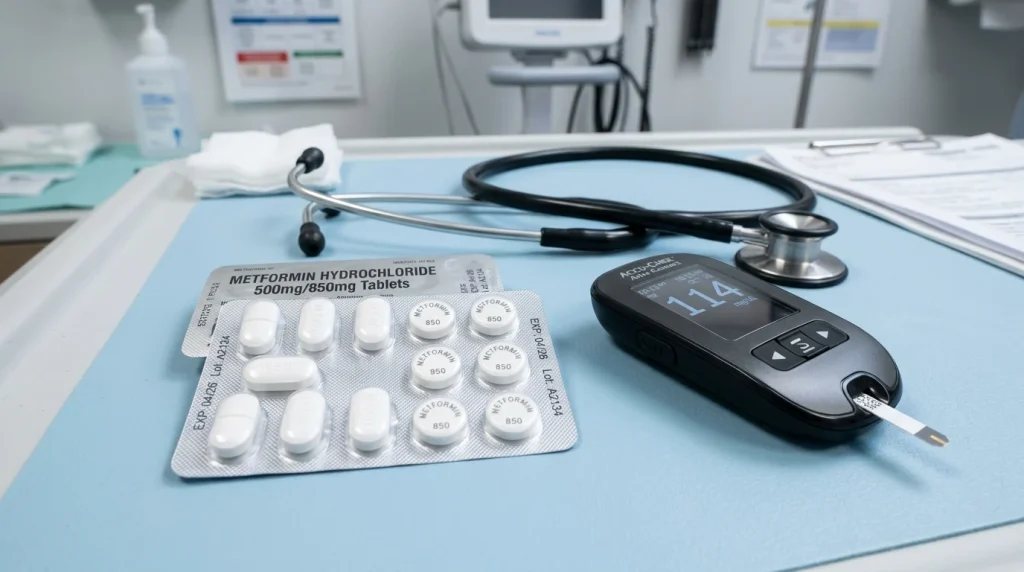
Metformin hydrochloride tablets in blister packaging next to a digital blood glucose monitor

Metformin

Metformin Tablet: Uses, Dosages & Safety | MedicineBD

A metformin tablet is the premier, first-line oral biguanide antihyperglycemic medication prescribed worldwide to manage ...

READ MORE

Morning breakfast table setting with balanced meal, glass of water, desk clock, and pharmaceutical medication tablet

Metformin

When Should I Take My Metformin? Timing Guide | MedicineBD

The optimal time to take metformin depends on your formulation: Immediate-Release (IR) metformin should be ...

READ MORE

Clinical toxicology diagnostic chart, blood pressure cuff, and prescription medication bottles on doctor desk

Metformin

Taking Too Much Metformin: Symptoms & Red Flags | MedicineBD

Taking too much metformin causes profound gastrointestinal toxicity (intractable vomiting, explosive diarrhea, severe abdominal colic) ...

READ MORE
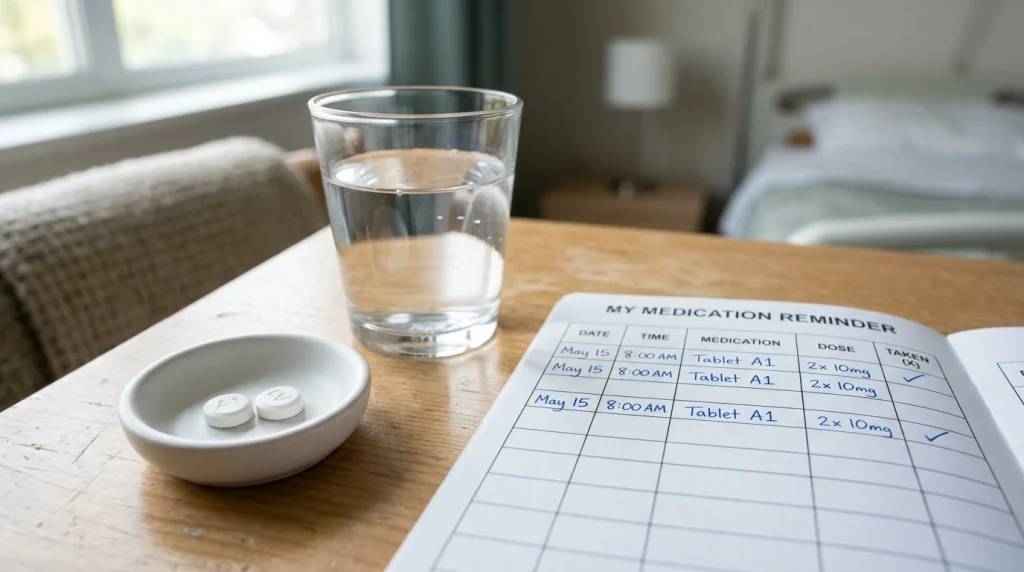
Two pharmaceutical tablets held on a ceramic dosing dish next to a patient medication reminder log

Metformin

Can You Take Two Metformin at Once? Safety Rules | MedicineBD

Taking two metformin tablets at once is medically safe only when explicitly prescribed as a ...

READ MORE

Clinical glucometer, dosage titration notebook, and white metformin tablets on medical desk

Metformin

Metformin Dosage for Diabetes: Clinical Chart | MedicineBD

Standard metformin dosage for type 2 diabetes begins at 500 mg once or twice daily ...

READ MORE
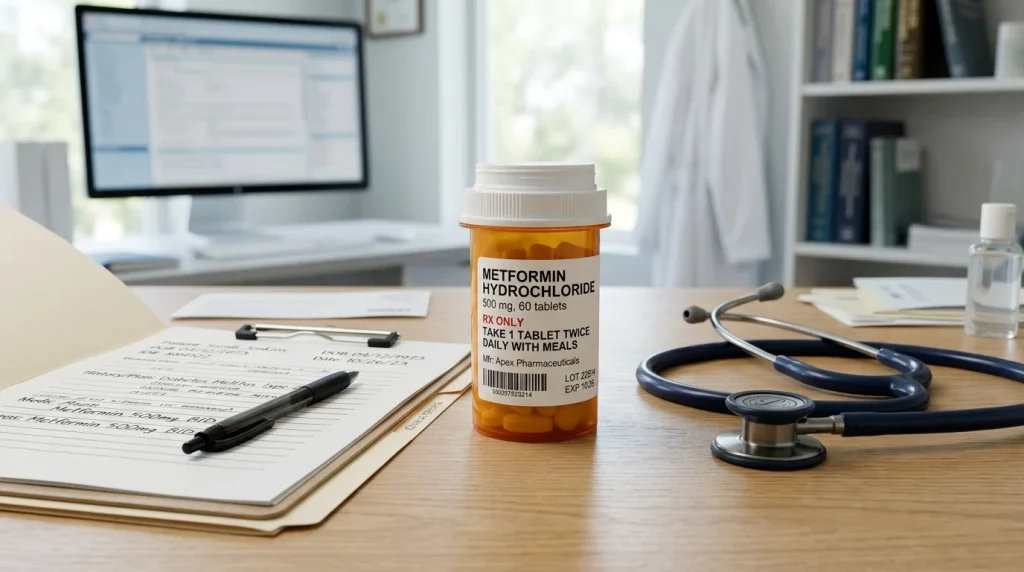
Metformin prescription bottle on medical consulting desk with clinical evaluation notes

Metformin

Metformin Bad Symptoms: Warning Signs & Red Flags | MedicineBD

Metformin bad symptoms encompass both common gastrointestinal disturbances and rare, life-threatening metabolic crises. While nausea, ...

READ MORE
Metformin and Tooth Extraction: What Your Dentist Isn’t Telling You

Diabetes Treatment, Metformin

Metformin and Tooth Extraction: What Your Dentist Isn’t Telling You

Before getting a tooth extraction, it's crucial to discuss your Metformin use with your dentist. This common diabetes medication can affect healing and infection risks. Make sure you're informed—your health comes first!

READ MORE
No Prescription Metformin: Is It Safe and Legal to Obtain?

Diabetes Treatment, Metformin

No Prescription Metformin: Is It Safe and Legal to Obtain?

No prescription metformin raises important questions about safety and legality. While it may seem convenient, obtaining this diabetes medication without a prescription can pose significant health risks and legal concerns. Always consult a healthcare professional before making such choices.

READ MORE
Metformin Lotion: The Future of Topical Diabetes Treatment?

Diabetes Treatment, Metformin

Metformin Lotion: The Future of Topical Diabetes Treatment?

Metformin lotion is emerging as a groundbreaking treatment for diabetes management. By delivering the medication topically, it offers potential benefits such as reduced side effects and improved blood sugar control. Is this the future of diabetes care?

READ MORE
Green Tea and Metformin: A Powerful Combo for Blood Sugar Control?

Diabetes Treatment, Metformin

Green Tea and Metformin: A Powerful Combo for Blood Sugar Control?

Combining green tea with metformin may enhance blood sugar control. Rich in antioxidants, green tea can help improve insulin sensitivity and reduce inflammation. This powerful duo offers a natural approach to managing diabetes effectively alongside traditional therapies.

READ MORE
Metformin and Menstruation: Why Your Period Might Be Late

Diabetes Treatment, Metformin

Metformin and Menstruation: Why Your Period Might Be Late

Metformin, commonly prescribed for diabetes, can influence your menstrual cycle. Its effects on insulin sensitivity may lead to changes in hormone levels, potentially causing late periods. If you're noticing irregularities, consult your healthcare provider for guidance.

READ MORE
Bupropion and Metformin: A Powerful Combination for Weight Loss?

Diabetes Treatment, Metformin

Bupropion and Metformin: A Powerful Combination for Weight Loss?

Recent studies suggest that combining bupropion, an antidepressant known for its weight loss effects, with metformin, a diabetes medication, may enhance weight reduction. This powerful duo targets appetite control and glucose regulation, showing promising results for those seeking effective weight management solutions.

READ MORE
Does Metformin Affect Estrogen Levels? The Surprising Truth for Women

Diabetes Treatment, Metformin

Does Metformin Affect Estrogen Levels? The Surprising Truth for Women

Metformin, commonly used for type 2 diabetes, may influence estrogen levels in women. Research suggests it can lower estrogen, potentially impacting menstrual cycles and fertility. Understanding these effects is crucial for women's health management.

READ MORE
Metformin Brain Cancer: The Game-Changing Discovery That’s Saving Lives

Diabetes Treatment, Metformin

Metformin Brain Cancer: The Game-Changing Discovery That’s Saving Lives

Recent studies reveal that Metformin, commonly used for diabetes, shows promise in fighting brain cancer. Researchers found it can slow tumor growth and improve survival rates, offering a new lifeline for patients. This discovery could change treatment landscapes.

READ MORE
Metformin-Induced Anemia: What Patients Need to Know

Diabetes Treatment, Metformin

Metformin-Induced Anemia: What Patients Need to Know

Metformin is a common diabetes medication, but it can lead to anemia in some patients. Symptoms include fatigue and weakness. If you're taking metformin, regular blood tests are essential to monitor your levels and address any deficiencies early.

READ MORE
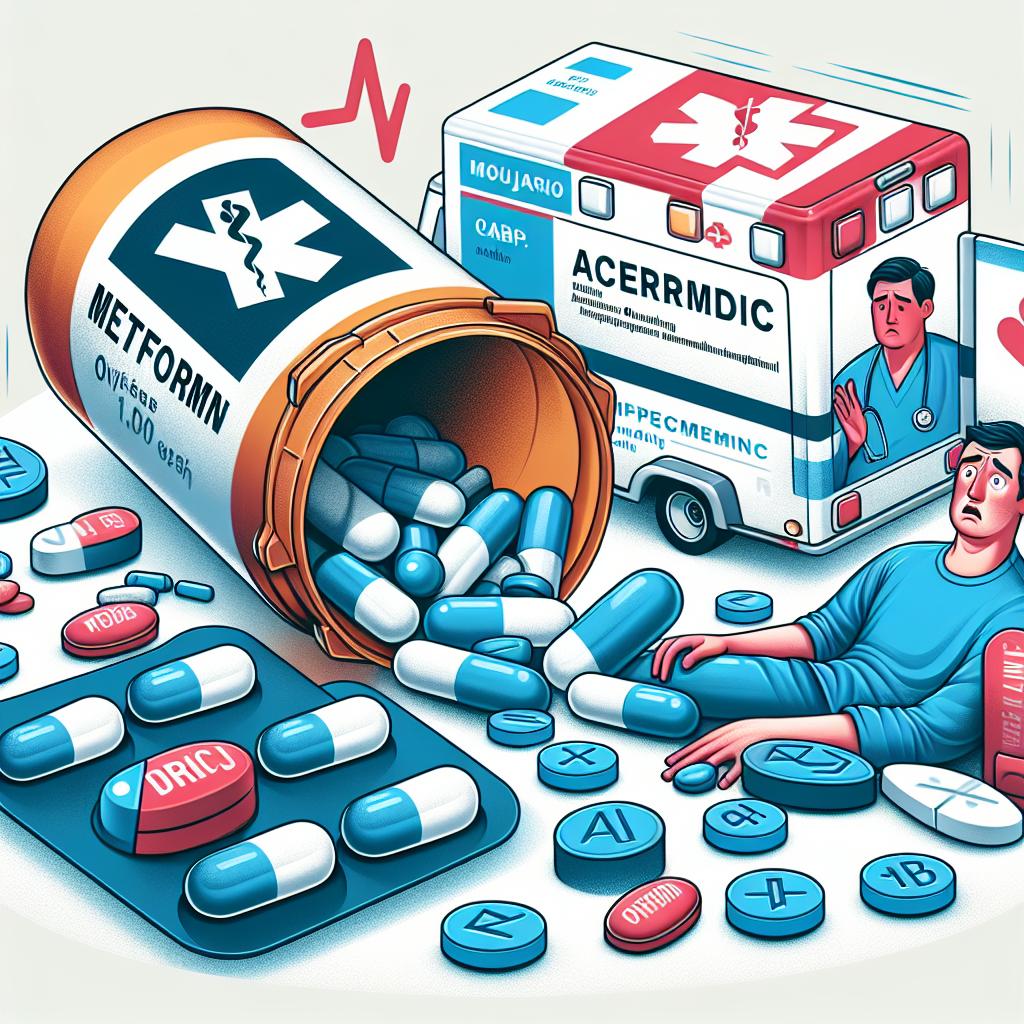
Metformin Overdose: What Happens When You Take 4000mg Accidentally?

Diabetes Treatment, Metformin

Metformin Overdose: What Happens When You Take 4000mg Accidentally?

Accidentally taking 4000mg of Metformin can lead to serious complications like lactic acidosis, a rare but dangerous condition. Symptoms may include nausea, abdominal pain, and rapid breathing. If this happens, seek medical help immediately for proper treatment.

READ MORE
Metformin and Iron Deficiency: Unraveling the Complex Relationship

Diabetes Treatment, Metformin

Metformin and Iron Deficiency: Unraveling the Complex Relationship

Metformin, a commonly prescribed medication for type 2 diabetes, has recently been linked to iron deficiency. Research suggests that while it effectively lowers blood sugar, it may interfere with vitamin B12 absorption, potentially leading to anemia. Understanding this relationship is crucial for managing the health of diabetic patients.

READ MORE
27,000 CUSTOMERS FOUND THEIR SOLUTION!
WORRIED ABOUT YOUR BLOOD SUGAR?
"I've tried everything there is to try, but this was the most powerful product for blood sugar support and it works!" - Mindy W.
Gluco Extend is the ONLY supplement with our unique 11+ ingredient blend specifically formulated to support healthy blood sugar.
Your purchase is protected by our iron-clad 180-DAY MONEY-BACK GUARANTEE. 
Join thousands experiencing stable blood sugar, increased energy, and better quality of life.
Overlay Image