

Rivaroxaban Pronunciation: Say It Correctly
When it comes to pronouncing "Rivaroxaban," say it like this: ri-va-ROX-a-ban. This anticoagulant medication is crucial for preventing blood clots, so getting the pronunciation right helps foster clear conversations with healthcare professionals.
READ MORE
Rivaroxaban Nursing Considerations: Key Points for Care
When administering Rivaroxaban, nurses should monitor patients for signs of bleeding, renal function, and adherence to dosing schedules. Educating patients on potential side effects and the importance of regular follow-ups ensures safe and effective treatment.
READ MORE
Forgot to Refrigerate Typhoid Pills: Are They Effective?
If you accidentally left your typhoid pills unrefrigerated, you might wonder about their effectiveness. Generally, typhoid vaccine pills should be stored in a cool, dry place. However, brief, short-term exposure to room temperature typically won’t compromise their efficacy. Always check the label and consult your pharmacist if unsure!
READ MORE
Rivotril and Alcohol: Dangerous Interactions
Combining Rivotril (clonazepam) with alcohol can be extremely dangerous. Both substances are central nervous system depressants, and their interaction can lead to severe drowsiness, respiratory issues, or even overdose. Always consult a healthcare professional before mixing medications and alcohol. Stay safe!
READ MORE
Rivaroxaban Price: Is It Worth the Cost?
Rivaroxaban, a popular anticoagulant, often raises questions about its cost versus benefits. While prices can be steep, its effectiveness in preventing strokes and other complications might justify the investment in your health. Is it worth it for you?
READ MORE
Alfredo Forgot to Refrigerate After Opening: Is It Safe to Eat?
If you’ve left Alfredo sauce out after opening, you might wonder if it’s still safe to eat. Generally, if it’s been more than two hours at room temperature, it’s best to err on the side of caution and discard it to avoid foodborne illness. Always trust your instincts!
READ MORE
Forgot to Refrigerate Insulin: How It Affects Your Medication
Forgetting to refrigerate insulin can compromise its effectiveness. Insulin should be stored between 36°F and 46°F (2°C to 8°C). If left at room temperature for too long, it may lose potency, making it less effective in managing blood sugar levels. Always check expiration dates and storage guidelines to ensure optimal care for your medication.
READ MORE
I Forgot to Refrigerate My Cat’s Gabapentin: Is It Safe?
If you’ve forgotten to refrigerate your cat’s gabapentin, don’t panic. Most formulations are stable at room temperature for a short period. However, check with your vet to confirm its safety before administering it to your furry friend.
READ MORE
Babybel: What Happens If It Isn’t Refrigerated?
Babybel cheese is deliciously convenient, but what if it sits out of the fridge? While the wax seal protects it temporarily, it's best consumed within a few hours for optimal freshness. Leaving it longer can lead to spoilage, so store wisely!
READ MORE
Does Zofran Cross the Placenta? What Pregnant Women Should Know
Zofran, often prescribed for nausea, can cross the placenta. While many find it effective, pregnant women should consult their healthcare provider about potential risks and benefits to ensure safety for both mother and baby.
READ MORE
Does Testosterone Have a Shelf Life? Key Facts for Safe Usage
Testosterone does have a shelf life, typically around 24 to 36 months from the manufacturing date when stored properly. Using expired testosterone can lead to reduced efficacy and potential side effects. Always check expiration dates and consult your healthcare provider for safe usage.
READ MORE
Gabantin Forte Side Effects: What to Watch Out For
Gabantin Forte can be effective for managing nerve pain, but it’s crucial to be aware of potential side effects. Common issues include dizziness, fatigue, and gastrointestinal disturbances. Always consult your doctor if you notice anything unusual. Your health matters!
READ MORE
Rivotril Drops Dosage for Sleep: Effective Use
When considering Rivotril drops for sleep, it's crucial to follow dosage guidelines provided by your healthcare provider. Typically, starting with a low dose and adjusting as necessary can help manage insomnia effectively while minimizing side effects. Always consult your doctor for personalized advice.
READ MORE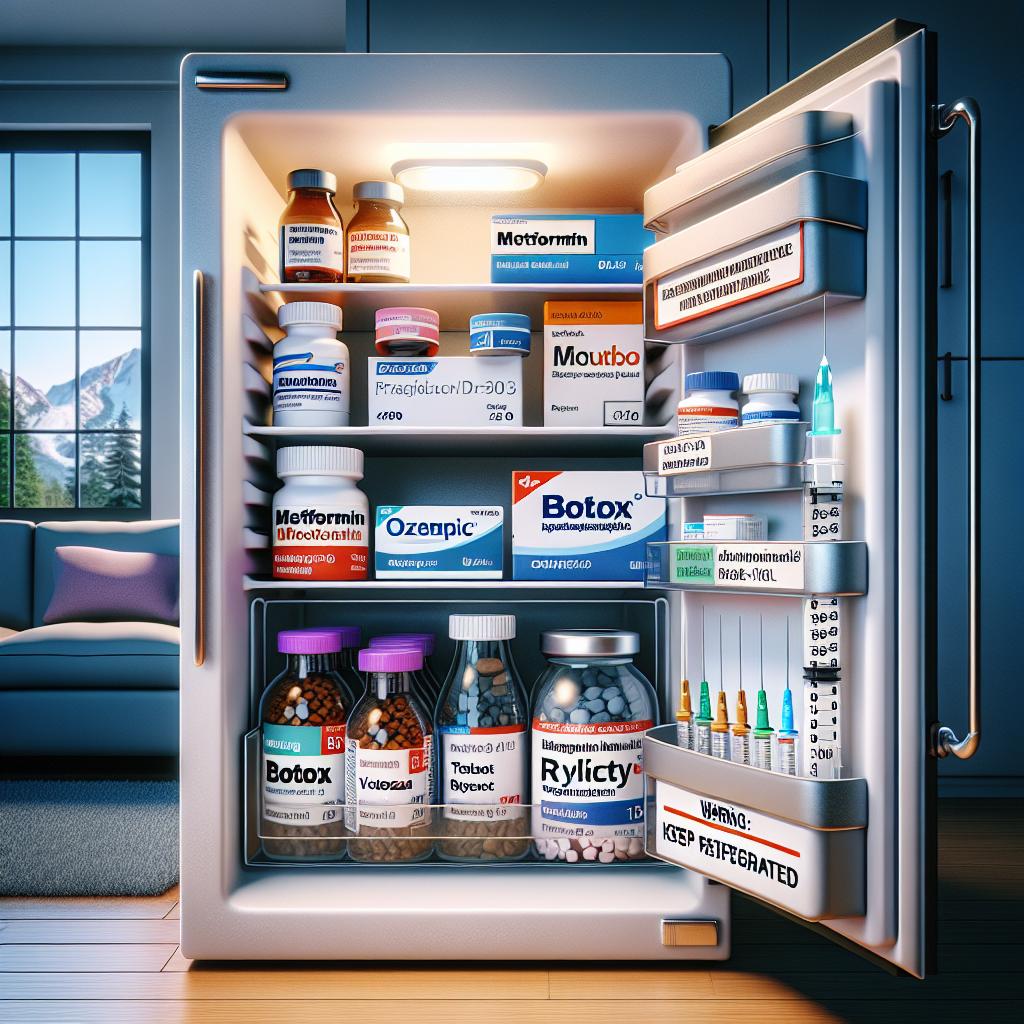
Botox: What Happens If It Isn’t Refrigerated?
Botox, a popular neuromodulator, must be refrigerated to preserve its potency. If left unrefrigerated for too long, it can lose effectiveness and lead to unpredictable results. Always follow storage guidelines for safe and effective use!
READ MORE
Is Rivaroxaban an Anticoagulant?
Rivaroxaban is indeed an anticoagulant, specifically a direct factor Xa inhibitor. It plays a crucial role in preventing blood clots in conditions like atrial fibrillation and deep vein thrombosis. Always consult your healthcare provider for personalized advice on its use.
READ MORE
Rivotril Dosage for Anxiety: Finding the Right Amount
When considering Rivotril for anxiety, finding the right dosage is crucial. Start low and adjust only under a doctor’s guidance, as individual responses vary. It’s essential to balance effective relief with minimal side effects for optimal results.
READ MORE
Rivotril Muscle Relaxant: Benefits and Uses
Rivotril, primarily known for its anti-anxiety properties, also serves as an effective muscle relaxant. Its ability to alleviate muscle tension can benefit those with chronic pain, giving them a greater sense of mobility and comfort in daily activities.
READ MORE
Can You Drink Alcohol While Taking Rivaroxaban?
When taking rivaroxaban, it's important to be cautious with alcohol. Moderate drinking may be acceptable, but excessive consumption can increase bleeding risks. Always consult your healthcare provider to ensure your safety and health.
READ MORE
Metrogyl for Cats: Safe and Effective Use in Pets
Metrogyl, also known as metronidazole, can be a safe and effective treatment for cats dealing with gastrointestinal issues and infections. Always consult your veterinarian for proper dosage and monitor for any side effects to ensure your pet's well-being.
READ MORE
Amoxicillin: What Happens If It Isn’t Refrigerated?
Amoxicillin, like many antibiotics, is sensitive to temperature. If it's not refrigerated, especially after opening, it can lose potency. This means it may not effectively treat infections. Always follow storage instructions to ensure its efficacy!
READ MORE