

Rivaroxaban Interactions: What You Should Avoid
When it comes to blood thinners, rivaroxaban is like that cool kid in school — trendy, effective, but also prone to make a few enemies if you don’t watch your step. Just like trying to dance at a wedding without stepping on toes, navigating the world of rivaroxaban interactions requires a delicate touch. In this article, we’ll delve into the essential dos and don’ts of your new favorite anticoagulant, ensuring you steer clear of any disastrous drug duels that could crash the party. So grab your reading glasses, and let’s put on a show that’ll keep your blood flowing smoothly while keeping those pesky interactions at bay!
Page Contents
- Understanding Rivaroxaban and Its Mechanism of Action
- Common Medications That May Interact with Rivaroxaban
- Lifestyle Factors That Can Affect Rivaroxaban Effectiveness
- Herbal Supplements and Natural Remedies to Avoid
- The Importance of Regular Monitoring While on Rivaroxaban
- Communicating with Healthcare Providers About Rivaroxaban
- Recognizing Symptoms of Potential Interactions
- Tips for Safe Medication Management with Rivaroxaban
- Frequently asked questions
- The Way Forward
- How to Use Metrogyl Gel for Gums: A Complete Guide
- Rivotril Long Term Side Effects: What to Expect
- Is Rivaroxaban the Same as Xarelto?
- What is the Shelf Life of DEF Fluid? Essential Information for Diesel Vehicle Owners
- Rivaroxaban Warnings: Essential Safety Information
- What is the Shelf Life of Adderall? Important Information for ADHD Patients
Understanding Rivaroxaban and Its Mechanism of Action
Rivaroxaban is an oral anticoagulant that plays a crucial role in the management of various thromboembolic conditions. It belongs to a class of drugs known as direct factor Xa inhibitors, which means it works by blocking the action of factor Xa, an essential enzyme in the coagulation cascade. By inhibiting this enzyme, rivaroxaban effectively reduces the formation of thrombin and prevents blood clotting, making it invaluable for individuals at risk of developing deep vein thrombosis (DVT), pulmonary embolism (PE), and those with atrial fibrillation to prevent strokes.
Understanding how rivaroxaban interacts with other substances can help in ensuring safe and effective use. Certain medications and dietary components may increase the risk of bleeding or reduce the effectiveness of rivaroxaban. It’s essential to be cautious with the following:
- Antibiotics: Some antibiotics can affect the metabolism of rivaroxaban, altering its levels in the bloodstream.
- Antifungals: Agents like ketoconazole can increase rivaroxaban concentrations significantly.
- Antiplatelet drugs: The use of other blood thinners or antiplatelet medications may enhance the risk of hemorrhage.
- Herbal supplements: Products such as St. John’s Wort can lower rivaroxaban levels by inducing hepatic enzymes.
It is also vital to consider food interactions. Foods rich in vitamin K or high in fatty acids may potentially impact the effectiveness of rivaroxaban, though they do not interact in the same way as vitamin K does with warfarin. Monitoring your diet and discussing any significant changes with your healthcare provider can help manage these risks effectively.
Common Medications That May Interact with Rivaroxaban
When taking rivaroxaban, it is crucial to be aware of certain medications that can interact with it, potentially altering its effectiveness or increasing the risk of side effects. Here are some common categories of medications you should discuss with your healthcare provider:
- Antibiotics: Certain antibiotics, such as clarithromycin and rifampin, can affect how rivaroxaban is metabolized in your body.
- Antifungals: Medications like itraconazole and voriconazole may increase the concentration of rivaroxaban, leading to a heightened bleeding risk.
- Antidepressants: Some SSRIs and SNRIs, including fluoxetine and dulaglutide, might also enhance bleeding tendencies when combined with rivaroxaban.
Furthermore, it’s essential to be cautious with medications used for pain relief and inflammation:
| Medication | Interaction Risk |
|---|---|
| Nonsteroidal Anti-Inflammatory Drugs (NSAIDs) | Increased risk of gastrointestinal bleeding |
| Warfarin | Increased risk of major bleeding |
| Clopidogrel | Higher bleeding risk; monitor closely |
Consult your doctor or pharmacist before starting any new medication, including over-the-counter drugs or supplements, to ensure they do not interact with rivaroxaban and compromise your treatment plan.
Lifestyle Factors That Can Affect Rivaroxaban Effectiveness
Several lifestyle factors can inadvertently influence how effectively rivaroxaban works in your body. Understanding these factors is crucial for maximizing the medication’s benefits and reducing potential risks.
- Dietary Choices: Certain foods can interfere with the metabolism of rivaroxaban. For instance, consuming large amounts of vitamin K-rich foods, such as green leafy vegetables, may alter your body’s ability to respond to the medication.
- Alcohol Consumption: Excessive drinking can enhance the risk of bleeding and may affect how rivaroxaban works. It’s recommended to limit alcohol intake while on this medication.
- Physical Activity: Engaging in high-contact sports or intense physical activities can increase the risk of injuries that may lead to bleeding. It’s wise to consult with your healthcare provider about safe levels of activity.
Additionally, maintaining a stable weight can play a role in how rivaroxaban functions. Sudden weight gain or loss may affect dosing and the overall efficacy of the drug.
| Factor | Impact on Rivaroxaban |
|---|---|
| Dietary Choices | Can alter drug metabolism |
| Alcohol Consumption | Increased bleeding risk |
| Physical Activity | Higher injury risk |
| Weight Stability | Affects dosage effectiveness |
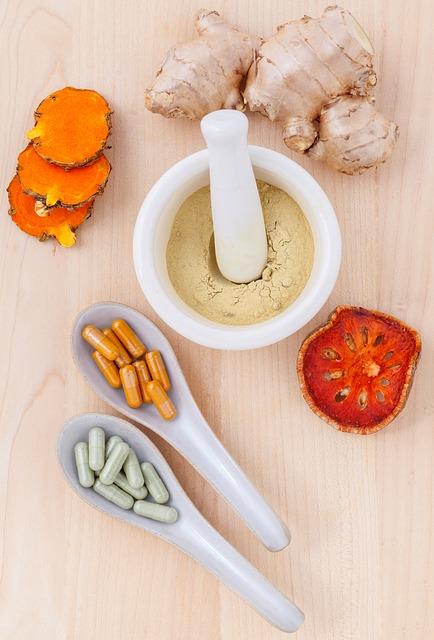
Herbal Supplements and Natural Remedies to Avoid
When managing your health, particularly if you’re on medications like rivaroxaban, it’s essential to be cautious about the herbal supplements and natural remedies you consider. Certain natural products can interfere with the effectiveness of rivaroxaban or increase the risk of bleeding. Here are some supplements to be wary of:
- Ginkgo Biloba: Known for its cognitive benefits, this herb can thin the blood and increase bleeding risk.
- Garlic Supplements: While beneficial in many ways, high doses can affect blood clotting mechanisms.
- Ginger: Though commonly used for digestive issues, it can also have blood-thinning effects.
- Cranberry Extract: This may elevate the effects of rivaroxaban due to its potential interaction with the drug’s metabolism.
- Goldenseal: Often used for various ailments, it may affect liver enzymes that process rivaroxaban.
The following table outlines these herbal supplements, their primary uses, and the potential risks associated with each when taken with rivaroxaban:
| Herbal Supplement | Common Use | Potential Risk with Rivaroxaban |
|---|---|---|
| Ginkgo Biloba | Memory enhancement | Increased bleeding risk |
| Garlic | Heart health | Blood thinning effects |
| Ginger | Digestive aid | Potential bleeding risk |
| Cranberry Extract | Urinary tract health | May elevate rivaroxaban effects |
| Goldenseal | General health | Affects drug metabolism |
Always consult with your healthcare provider before introducing any new supplements into your regimen. They can help you navigate potential interactions and ensure your health remains a top priority.
The Importance of Regular Monitoring While on Rivaroxaban
While on Rivaroxaban, regular monitoring of your health is pivotal to ensure optimal therapeutic outcomes and minimize potential risks. This anticoagulant is known for its effectiveness in preventing blood clots, but it also requires attention to various factors that can influence its efficacy and safety. Regular check-ups with your healthcare provider can help manage any potential interactions and side effects.
Here are some crucial aspects to monitor:
- Kidney Function: Rivaroxaban is primarily excreted by the kidneys, making renal function a critical factor in dosing and safety.
- Hemoglobin Levels: Regular blood tests can help assess for any signs of bleeding or anemia.
- Drug Interactions: Stay informed about new medications you may be prescribed, as they can affect Rivaroxaban levels.
- Signs of Bleeding: Any unusual bruising, blood in urine, or prolonged bleeding should be immediately reported to your healthcare provider.
In addition to these factors, an organized schedule for monitoring can help ensure you stay on track with necessary blood tests and check-ups. Below is a simple monitoring schedule that can be personalized based on your doctor’s recommendations:
| Monitoring Task | Frequency |
|---|---|
| Kidney Function Test | Every 6 months |
| Hemoglobin Level Check | Every 3 months |
| Review of Other Medications | Every visit |
| Signs of Bleeding Assessment | Every health appointment |
By prioritizing these monitoring practices, you can effectively manage your treatment plan with Rivaroxaban and contribute to a safer, more successful therapeutic journey.
Communicating with Healthcare Providers About Rivaroxaban
When discussing Rivaroxaban with your healthcare providers, clarity and open communication are paramount. This anticoagulant can interact with various medications and food items, making it essential to share your complete medical history and any current medications to help assess potential interactions.
Here are some key points to discuss with your healthcare provider:
- Current Medications: Include over-the-counter drugs, supplements, and herbal remedies.
- Health Conditions: Inform them about any conditions such as liver disease, kidney problems, or bleeding disorders.
- Dietary Habits: Discuss any major dietary changes, especially regarding vitamin K intake.
- Recent Procedures: Mention upcoming surgeries or dental procedures that could require dosage adjustments.
Additionally, it can be helpful to keep a list of your medications and their potential side effects readily available. This can facilitate a productive dialogue and ensure that your healthcare provider is fully informed about your treatment plan. The goal is to create a partnership where both you and your provider can work together to maximize the safety and efficacy of your treatment with Rivaroxaban.

Recognizing Symptoms of Potential Interactions
Being aware of the potential interactions when taking rivaroxaban is crucial for your health. Various symptoms can serve as red flags that something might be amiss with your medication regimen. It’s essential to be proactive in recognizing these signs, as they can help you consult your healthcare provider promptly. Here are some symptoms to watch for:
- Unusual bleeding – If you notice an increase in bruising, bleeding gums, or blood in your urine or stool, it’s important to seek medical advice.
- Persistent headaches – Frequent or severe headaches may indicate that your blood is not clotting properly.
- Dizziness or fainting – Experiencing lightheadedness or feeling faint can be signs of anemia, which could result from excessive bleeding.
- Chest pain – Pain or pressure in the chest could suggest serious complications and should be evaluated immediately.
Additionally, symptoms like fatigue, swelling in the legs, or shortness of breath can point to complications associated with anticoagulation therapy. Maintaining a clear line of communication with your doctor is vital; don’t hesitate to report any unusual changes you experience while on rivaroxaban.
Keep track of medications and substances you are currently using, as they could interact with rivaroxaban. Below is a quick reference table that summarizes types of substances to be cautious with:
| Substance Type | Potential Interaction |
|---|---|
| Herbal Supplements | May increase bleeding risk (e.g., St. John’s Wort) |
| NSAIDs | Increased risk of gastrointestinal bleeding |
| Antibiotics | May affect blood levels of rivaroxaban |
| Alcohol | Can enhance the blood-thinning effect |
Tips for Safe Medication Management with Rivaroxaban
Managing medication safely while on Rivaroxaban is crucial to minimize the risk of adverse interactions and maximize its therapeutic effects. Here are some essential tips to keep in mind:
- Consistency is Key: Take your Rivaroxaban at the same time every day to maintain steady blood levels.
- Hydration Matters: Ensure you drink plenty of water, as dehydration can affect how the medication works.
- Stay Informed: Regularly discuss your medications with your healthcare provider to avoid potential interactions. This is especially important if you’re prescribed new treatments.
It’s also vital to be aware of certain food and drug interactions. Avoid:
- Anticoagulants and NSAIDs: Using these together can significantly increase bleeding risks.
- Grapefruit Products: These can hinder the effectiveness of Rivaroxaban by affecting how your body metabolizes the drug.
- Herbal Supplements: Some, like St. John’s Wort, may interfere with Rivaroxaban’s activity.
Keep track of your medications by using a simple chart:
| Medication | Potential Interaction |
|---|---|
| Warfarin | Increased bleeding risk |
| Ibuprofen | Heightened risk of gastrointestinal bleeding |
| Grapefruit Juice | Reduced effectiveness |
| St. John’s Wort | Potentially lowers efficacy |
By following these guidelines, you can optimize your treatment with Rivaroxaban while minimizing the risks associated with medication interactions. Always consult your healthcare provider before making any changes to your medication regimen.
Frequently asked questions
Q&A: Rivaroxaban Interactions – What You Should Avoid
Q1: What is Rivaroxaban, and how does it work?
A1: Rivaroxaban is an oral anticoagulant medication commonly prescribed to prevent and treat blood clots. It works by inhibiting a specific protein in the blood called Factor Xa, which plays a key role in the blood clotting process. By blocking this factor, Rivaroxaban helps reduce the risk of blood clots forming in conditions such as atrial fibrillation, deep vein thrombosis, and pulmonary embolism.
Q2: Why is it important to be aware of Rivaroxaban interactions?
A2: Being aware of interactions is crucial because certain medications, supplements, and even certain foods can either heighten the effects of Rivaroxaban, increasing the risk of bleeding, or decrease its effectiveness, which can lead to inadequate blood clot prevention. Understanding these interactions helps ensure the medication works as intended and minimizes the risk of adverse effects.
Q3: What medications should I avoid while taking Rivaroxaban?
A3: Several medications can interact with Rivaroxaban, including:
- Other Anticoagulants: Combining Rivaroxaban with other blood thinners like warfarin, dabigatran, or heparin can increase bleeding risks.
- Nonsteroidal Anti-Inflammatory Drugs (NSAIDs): Medications like ibuprofen and naproxen can heighten bleeding chances when taken with Rivaroxaban.
- Certain Antibiotics and Antifungals: Drugs such as clarithromycin and ketoconazole can also alter Rivaroxaban’s effectiveness and safety.
- Antiepileptic Drugs: Some medications used for epilepsy, such as carbamazepine and phenytoin, may reduce Rivaroxaban levels in the bloodstream.
Always consult a healthcare provider before starting or stopping any medication.
Q4: Are there any over-the-counter medications or supplements I should be cautious with?
A4: Yes, certain over-the-counter medications and supplements can interact with Rivaroxaban. For example, avoid:
- Vitamin E: High doses may increase bleeding risk.
- Ginkgo Biloba: This herb may affect bleeding, so it’s best to avoid it.
- St. John’s Wort: Commonly used for depression, it can decrease Rivaroxaban levels in the blood, which can lead to clotting.
- Antacids or Proton Pump Inhibitors: Some of these can affect how well Rivaroxaban is absorbed.
As always, read labels carefully and consult your healthcare provider for guidance.
Q5: What foods should I be cautious about when taking Rivaroxaban?
A5: While Rivaroxaban doesn’t have strict dietary restrictions like some other anticoagulants, it’s wise to maintain a consistent diet regarding vitamin K intake. Foods high in vitamin K, such as leafy greens (kale, spinach, and broccoli), might not directly interact with Rivaroxaban but can affect other anticoagulants. Consistency is key, so include them in your regular diet if you consume them.
Additionally, avoid excessive alcohol consumption. Alcohol can increase the risk of bleeding and affect liver function, potentially impacting how Rivaroxaban is metabolized.
Q6: How do I manage potential interactions?
A6: The best way to manage potential interactions is open communication with your healthcare team. Provide your doctor with a comprehensive list of all medications, supplements, and herbal products you’re taking. Regularly review your treatment plan with them, and promptly report any side effects or unusual symptoms. Keeping your healthcare provider in the loop ensures they can make informed decisions and adjustments based on your needs.
Q7: What should I do if I suspect an interaction?
A7: If you suspect that a medication, supplement, or food is interacting with Rivaroxaban, contact your healthcare provider immediately. They may adjust your medication, conduct further testing, or provide alternative options to ensure your treatment is both safe and effective.
Q8: Where can I find more information about Rivaroxaban interactions?
A8: For comprehensive information, the best resources include the official medication guide provided by your pharmacist, reputable medical websites, and, most importantly, direct communication with your healthcare provider. They can give you personalized advice tailored to your health needs and ensure that you’re well-informed about your prescribed treatment.
By staying informed and proactive, you can effectively manage your health while using Rivaroxaban. Make sure to have conversations with your healthcare team, and always prioritize safety!
The Way Forward
understanding the interactions associated with rivaroxaban is crucial for managing your health effectively. By staying informed about the medications, supplements, and lifestyle factors that can affect how rivaroxaban works, you empower yourself to make safer choices. Always consult your healthcare provider before making any changes to your treatment plan; they’re your best resource for personalized advice. Remember, effective communication with your healthcare team can make all the difference in ensuring your treatment is both safe and effective. Stay proactive, and take charge of your health!
