

Rivotril Recreational Use: Risks and Consequences
In a world where the quest for relaxation sometimes leads to questionable choices, Rivotril—a medication typically prescribed for anxiety and seizures—has found its way into the spotlight for a different reason: recreational use. But before you start dreaming of a life more chill, let’s pump the brakes and take a closer look. While some may tout its euphoric effects as the ultimate stress relief cocktail, the risks associated with this little pill can turn your blissful escape into a rollercoaster ride of consequences you never signed up for. So grab your favorite beverage—preferably one that doesn’t involve prescription drugs—and join us as we delve into the thrilling yet perilous world of Rivotril recreational use. Because trust us, the only thing you want to be high on is knowledge!
Page Contents
- Understanding Rivotril and Its Intended Uses
- Exploring the Appeal of Recreational Use
- The Real Dangers: Physical and Psychological Risks
- Recognizing the Signs of Rivotril Misuse
- Long-term Consequences of Recreational Consumption
- Navigating the Path to Recovery and Support
- Strategies for Responsible Medication Use
- Educating Yourself and Others About Substance Safety
- Finding Healthy Alternatives to Manage Stress and Anxiety
- Frequently asked questions
- In Conclusion
- Rivaroxaban and Atrial Fibrillation: What You Need to Know
- Metrogyl 400 in USA: Availability and Usage
- Metrogyl Generic Name: Understanding the Basics
- I Forgot to Refrigerate My Cat's Gabapentin: Is It Safe?
- Can You Drink Alcohol While Taking Rivaroxaban?
- Forgot to Refrigerate Antibiotics: What Should You Do?
Understanding Rivotril and Its Intended Uses
Rivotril, known generically as clonazepam, belongs to a class of medications called benzodiazepines. It is primarily used to manage seizures and panic disorders due to its ability to enhance the effects of a neurotransmitter in the brain known as gamma-aminobutyric acid (GABA). This makes the medication effective in promoting muscle relaxation and reducing anxiety levels. However, its legitimate medical applications do not justify its misuse.
The drug is typically prescribed for various conditions, including:
- Seizure Disorders: It is effective in controlling different types of seizures.
- Panic Disorders: Rivotril can significantly alleviate episodes of panic attacks.
- Anxiety Disorders: It helps in managing chronic anxiety symptoms.
Despite its therapeutic advantages, recreational use poses significant risks, as it can lead to dependence, overdose, or various health complications. Understanding these intended uses is crucial—not only to appreciate the proper context of Rivotril but also to recognize the dangers inherent in its misuse.

Exploring the Appeal of Recreational Use
Recreational use of substances often stems from a desire for euphoria, relaxation, or escape from daily stressors. In particular, drugs like Rivotril, a benzodiazepine, attract those seeking an altered state of consciousness. Users may be drawn to its sedative effects, which can create a sense of calm and tranquility. However, it’s important to recognize the deeper social and psychological factors that contribute to this appeal:
- Stress Relief: Many individuals turn to recreational substances as coping mechanisms for anxiety, depression, or overwhelming stress.
- Social Bonding: For some, using drugs can foster a sense of community and connection within social circles.
- Curiosity and Experimentation: The allure of pushing boundaries and exploring new experiences can be a strong motivator.
Furthermore, the accessibility of substances like Rivotril through prescriptions or recreational avenues exacerbates this trend. Users may perceive themselves as in control, often underestimating the risks associated with misuse. The line between legitimate use and recreational use can blur, leading to complications that extend beyond mere enjoyment. This duality poses serious questions about mental health and substance dependence, compelling users to navigate precarious waters that can ultimately impact their well-being.

The Real Dangers: Physical and Psychological Risks
While some may seek out Rivotril for its calming effects, the risks associated with its recreational use can be severe and multifaceted. Physically, the drug can lead to a range of dangerous side effects. **Dependency** and **tolerance** develop quickly, prompting users to increase dosages, which can magnify the likelihood of experiencing adverse reactions such as:
- Respiratory depression
- Drowsiness or fatigue
- Impaired motor skills, leading to accidents
- Withdrawal symptoms, including seizures
On the psychological front, the compulsive nature of Rivotril misuse can wreak havoc on mental health. Users might find themselves grappling with **anxiety**, **mood swings**, and even **paranoia**. The sedative properties can mask underlying emotional issues, but once the drug’s effects wear off, these problems often re-emerge, sometimes exacerbated. Consider the following common psychological effects:
- Increased anxiety levels
- Social withdrawal and isolation
- In severe cases, psychosis or suicidal thoughts
Ultimately, the quest for temporary relief can lead to a cycle of despair, placing individuals in a precarious position both physically and mentally.
Recognizing the Signs of Rivotril Misuse
Identifying the misuse of Rivotril, a benzodiazepine often prescribed for anxiety and seizures, is crucial for ensuring the safety and well-being of individuals. The signs can vary from subtle changes in behavior to more severe indicators that may require immediate intervention. Here are some common signs to watch for:
- Increased Tolerance: Needing higher doses to achieve the same effects can indicate a developing dependency.
- Withdrawal Symptoms: Experiencing anxiety, agitation, or physical discomfort when the medication is not available.
- Unusual Mood Changes: Fluctuations in mood, including irritability, depression, or sudden emotional outbursts.
- Social Withdrawal: Isolating oneself from friends and family and neglecting personal responsibilities.
- Risky Behavior: Engaging in dangerous activities while under the influence, such as driving or operating machinery.
In addition to behavioral changes, physical signs can also be indicative of misuse. Be observant for:
| Physical Signs | Possible Indicators |
|---|---|
| Slurred Speech | Difficulty speaking clearly may suggest sedation or impairment. |
| Coordination Issues | Frequent stumbling or difficulty balancing could be a warning sign of intoxication. |
| Changes in Sleep Patterns | Experiencing insomnia or excessive sleep can indicate misuse. |
| Physical Dependence | The need for Rivotril to function normally or perform daily tasks. |
Recognizing these signs early can facilitate appropriate intervention and support, ultimately helping prevent the more serious ramifications associated with recreational use of Rivotril.
Long-term Consequences of Recreational Consumption
The recreational consumption of Rivotril (clonazepam) carries several long-term consequences that can significantly impact both mental and physical health. One of the most concerning outcomes is the development of dependence, which can lead to a cycle of escalating use. This dependency is often accompanied by withdrawal symptoms when the substance is not available, making it challenging for users to break free from its grasp. Additionally, long-term use can lead to impaired cognitive functions, affecting memory, attention span, and problem-solving abilities.
Another critical aspect to consider is the potential for **emotional dysregulation**. Users may experience heightened anxiety or emotional instability as their bodies adjust to the drug’s presence. Over time, this can manifest as a **decreased ability to cope with stress**, resulting in further reliance on the substance as a form of self-medication. Moreover, the risk of developing co-occurring disorders, such as depression or substance use disorders, is significantly increased among individuals who misuse benzodiazepines.
| Long-term Effects | Description |
|---|---|
| Dependence | Increased tolerance and withdrawal symptoms. |
| Cognitive Impairment | Memory loss, poor concentration, and diminished problem-solving skills. |
| Emotional Instability | Increased anxiety and emotional fluctuations. |
| Risk of Co-occurring Disorders | Greater likelihood of depression and other substance use issues. |
Ultimately, the long-term consequences of recreational Rivotril use can create a downward spiral, impacting not only the individual’s health but also their relationships and overall quality of life. It is essential to approach this substance with caution and awareness of its potential risks.
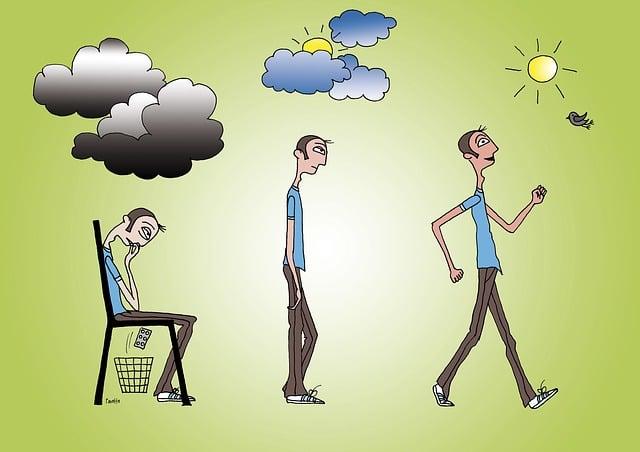
Recovering from recreational use of Rivotril can be a complex journey that requires both personal commitment and external support. Acknowledging the need for help is often the first step, but identifying the right resources can be just as crucial. Here are **key avenues** to explore:
- Professional Counseling: Seek therapists experienced in substance use disorders. They can provide personalized strategies to cope with withdrawal symptoms and triggers.
- Support Groups: Connecting with others who share similar experiences can be incredibly validating. Groups like Narcotics Anonymous offer safe spaces to share and learn from each other.
- Medical Assistance: Doctors can guide you through detoxification safely. In some cases, medications may be prescribed to ease transitions.
- Holistic Approaches: Practices such as yoga, meditation, and mindfulness can support mental well-being, providing balance during recovery.
Understanding the potential consequences of Rivotril use is vital. Individuals may experience a range of challenges that impact their daily lives. The following table summarizes these challenges:
| Challenge | Description |
|---|---|
| Cognitive Impairment | Difficulties with focus, attention, and memory. |
| Emotional Instability | Heightened anxiety, depression, or mood swings. |
| Social Withdrawal | Isolation from friends and family, leading to loneliness. |
| Physical Health Risks | Potential for overdose or developing other health issues. |
Support is essential, and building a network that understands your journey can make a significant difference. Whether reaching out to professionals, friends, or community, each connection can provide comfort and guidance along the bumpy road to recovery.

Strategies for Responsible Medication Use
Promoting responsible medication use is vital for your health and well-being, especially when it comes to substances like Rivotril. Understanding how to approach medication can lead to safer practices and diminish the risks of misuse. Here are some effective strategies:
- Consult Healthcare Professionals: Always seek guidance from your doctor or a qualified healthcare provider before taking any medication. They can help assess your needs and determine the appropriate dosage.
- Education: Take the time to educate yourself about Rivotril and its effects. Understanding the potential risks, interactions, and side effects can empower you to make informed decisions.
- Establish a Medication Routine: Stick to a schedule for taking your medication. Consistent use as prescribed helps prevent misuse and dependency.
- Avoid Mixing Substances: Combining Rivotril with alcohol or other drugs can severely increase the risk of adverse effects. Always discuss any other medications you are taking with your healthcare provider.
- Monitor Your Mental Health: Regularly check in with yourself or a mental health professional about your medication’s impact on your well-being. If you notice any concerning changes, seek help immediately.
| Key Risks of Misuse | Potential Consequences |
|---|---|
| Dependency | Increased tolerance leading to higher doses |
| Withdrawal Symptoms | Physical and psychological distress when stopping use |
| Impaired Judgment | Increased likelihood of accidents or risky behavior |
| Health Deterioration | Long-term health complications, including respiratory issues |

Educating Yourself and Others About Substance Safety
Understanding the nuances of recreational substance use, particularly with medications like Rivotril (clonazepam), is crucial for fostering a safer environment for individuals and communities. Many people may perceive Rivotril solely as a means to experience euphoria or relaxation, but the reality is that misuse carries significant risks. It’s imperative to be informed about the potential dangers, such as:
- Dependency and Addiction: Regular use can lead to physical and psychological dependence.
- Severe Withdrawal Symptoms: Stopping abruptly can result in dangerous withdrawal effects, including seizures.
- Cognitive Impairment: Rivotril can impair judgment, memory, and coordination, increasing the chances of accidents.
- Mixing with Other Substances: Combining Rivotril with alcohol or other depressants heightens the risk of respiratory failure and overdose.
Education plays a vital role in preventing the harms associated with Rivotril as a recreational substance. Workshops and seminars focusing on drug safety can empower individuals with knowledge about:
| Topic | Action Steps |
|---|---|
| Understanding Prescription Medications | Learn about the purpose of medications and their potential for misuse. |
| Recognizing Signs of Abuse | Educate on behavioral changes and physical symptoms associated with misuse. |
| Support Systems | Encourage open discussions about substance use in community and family settings. |
By equipping ourselves and those around us with comprehensive information, we can work towards reducing the stigma surrounding substance use while promoting safer practices. Encouraging discussions about the realities of using medications like Rivotril recreationally can shift perspectives and curb the troubling trends of abuse.

Finding Healthy Alternatives to Manage Stress and Anxiety
When it comes to managing stress and anxiety, exploring healthier options can make a significant difference in overall well-being. Instead of turning to substances like Rivotril, which carry serious risks, consider these beneficial alternatives:
- Mindfulness and Meditation: Engaging in mindfulness exercises can help ground your thoughts and feelings. Just a few minutes a day can reduce anxiety and improve focus.
- Physical Activity: Regular exercise releases endorphins, the body’s natural mood lifters. Whether it’s a brisk walk or a full workout, moving your body can elevate your mood.
- Creative Outlets: Painting, writing, or playing music can provide an emotional release. Creativity helps express feelings and can foster a sense of accomplishment.
Incorporating these practices into your routine not only promotes better mental health but also helps cultivate resilience against stressors that may arise. Communities and support groups can also play a vital role in providing encouragement and connection. Here’s a quick look at the benefits of these alternatives:
| Alternative | Benefits |
|---|---|
| Mindfulness | Reduces anxiety, enhances clarity and focus |
| Exercise | Boosts mood, increases energy, improves sleep |
| Creative Activities | Encourages self-expression, increases happiness |
Frequently asked questions
Q&A: Rivotril Recreational Use: Risks and Consequences
Q1: What is Rivotril, and why do people use it recreationally?
A1: Rivotril, known generically as clonazepam, is a medication that belongs to the benzodiazepine class. It’s primarily prescribed to treat anxiety disorders, seizure disorders, and sometimes for short-term management of insomnia. Recreationally, some individuals may use Rivotril for its sedative and anxiolytic effects, seeking feelings of relaxation, euphoria, or to enhance the effects of other substances.
Q2: What are the short-term effects of recreational Rivotril use?
A2: In the short term, users may experience relaxation, drowsiness, decreased anxiety, and mild euphoria. However, these effects can come with risks such as impaired coordination, blurred vision, confusion, and memory issues. Combining Rivotril with other substances, especially alcohol, can intensify these effects and lead to dangerous levels of sedation.
Q3: Are there any serious risks associated with using Rivotril recreationally?
A3: Absolutely. Recreational use of Rivotril carries significant risks including the potential for dependence, overdose, and withdrawal symptoms. Long-term use can lead to tolerance, requiring higher doses to achieve the same effects, which increases the risk of overdose. Additionally, abrupt cessation after prolonged use can lead to severe withdrawal symptoms, including anxiety, seizures, and, in extreme cases, can be life-threatening.
Q4: How does Rivotril differ from other recreational drugs?
A4: While many recreational drugs can alter mood and perception, Rivotril is unique in its medical application and the specific way it affects the central nervous system. It acts as a depressant, which can slow brain activity, whereas stimulants and hallucinogens work in entirely different ways. The medical use also adds another layer of risk; using it without a prescription underestimates how serious its effects can be.
Q5: What are the signs of Rivotril addiction?
A5: Signs of Rivotril addiction can include cravings for the drug, the need to increase dosage to achieve the desired effect, prioritizing Rivotril over other activities, withdrawal symptoms when not using, and continued use despite knowing the risks. If someone is experiencing these issues, it’s important to seek help.
Q6: How can someone safely discontinue using Rivotril if they are addicted?
A6: It’s crucial that anyone seeking to discontinue Rivotril after prolonged use does so under medical supervision. A healthcare provider can develop a tapering schedule to gradually reduce the dosage, minimizing the risk of withdrawal symptoms. Therapy and support groups can also play a vital role in recovery.
Q7: Are there alternatives to Rivotril for managing anxiety or insomnia?
A7: Yes, there are many alternatives available for managing anxiety and insomnia, including non-benzodiazepine medications such as SSRIs or SNRIs for anxiety, and behavioral therapies like Cognitive Behavioral Therapy (CBT). Lifestyle changes, such as exercise, mindfulness, and improving sleep hygiene can also be effective. Always consult a healthcare provider for personalized advice.
Q8: What should someone do if they or someone they know is misusing Rivotril?
A8: If you suspect someone is misusing Rivotril, it’s important to approach the situation with care and concern. Encourage them to seek professional help. You can also reach out to a healthcare provider or mental health professional for guidance on how to assist them. Early intervention can be crucial in preventing serious consequences.
Q9: Where can individuals find more information about Rivotril and its risks?
A9: Individuals can find information from reliable sources such as the National Institute on Drug Abuse (NIDA), the Substance Abuse and Mental Health Services Administration (SAMHSA), or by consulting healthcare professionals. These organizations provide valuable insights on addiction, treatment options, and drug safety.
Conclusion: While Rivotril may seem appealing for its sedative effects, understanding the associated risks and consequences is essential. If you or someone you know is struggling with substance use, seek help. There are resources and support systems available to guide you toward better health and well-being.
In Conclusion
while Rivotril may appeal to some for its recreational effects, the risks far outweigh the temporary highs. Understanding the consequences of misuse—not just on your health but your relationships and overall well-being—is crucial. If you or someone you know is struggling with substance use, reaching out for help is a vital step towards safer choices and a healthier future. Remember, knowledge is power, and making informed decisions is the best way to protect yourself and those around you. Stay safe, and prioritize your health above all else.
