

Metrogyl 400 for Tooth Pain: Say Goodbye to Dental Discomfort
Are you tired of wincing at the thought of biting into that delicious slice of pizza, only to be greeted by a sharp jab of tooth pain? Well, put down that ice pack and pick up a tube of Metrogyl 400! This little powerhouse not only promises relief from dental discomfort but also gives you the chance to reclaim your love for all things crunchy and chewy. In this article, we’ll explore how Metrogyl 400 can be your trusty sidekick in the battle against tooth trouble, helping you say goodbye to those pesky visits to the dentist and rediscover the joy of pain-free smiles. So, buckle up and get ready to laugh your way to dental bliss – because who says tooth pain has to be serious business?

Page Contents
- Understanding Metrogyl 400 and Its Role in Dental Pain Relief
- How Metrogyl 400 Works Against Tooth Infections
- Recognizing When to Use Metrogyl 400 for Tooth Pain
- Dosage Guidelines and How to Use Metrogyl 400 Safely
- Potential Side Effects: What You Need to Know
- Complementary Practices for Enhanced Dental Health
- Consulting Your Dentist: When and Why Its Important
- Long-Term Oral Care Strategies Beyond Medication
- The Importance of Addressing Underlying Dental Issues
- Q&A
- Wrapping Up
- Rivaroxaban Drug Class: Understanding Its Role
- Is Clonazepam the Same as Rivotril? Clarifying Confusion
- Rivotril Benefits: How It Can Improve Your Health
- Accidentally Took 2 Truvada? What You Need to Know Immediately
- How Long Does It Take for Rivaroxaban to Work?
- Is Rivotril a Sleeping Pill? Exploring Its Uses
Understanding Metrogyl 400 and Its Role in Dental Pain Relief
Metrogyl 400 is a widely utilized medication primarily known for its antibacterial properties and effectiveness in treating infections. In the context of dental care, it plays a significant role in alleviating dental pain caused by various oral health issues. This medication contains two key active ingredients, **Metronidazole** and **Chlorhexidine**, which work synergistically to combat bacteria that often lead to inflammation, abscesses, and other dental discomforts.
When dental pain strikes, it is crucial to address the underlying infection promptly. Metrogyl 400 targets the root cause of this pain, providing relief through:
- Reduction of Bacterial Growth: By inhibiting bacterial proliferation, it alleviates the infection that may be contributing to toothache.
- Anti-inflammatory Effects: It helps reduce swelling and inflammation in the gums and surrounding tissues.
- Comprehensive Oral Health Support: Beyond immediate pain relief, it aids in maintaining oral hygiene by keeping harmful bacteria at bay.
While Metrogyl 400 can provide significant relief, it is essential to follow your dentist’s recommendations regarding dosage and duration. Incorrect use can lead to resistance or adverse side effects. Always consult with a healthcare professional to ensure it is the right choice for your dental needs.
How Metrogyl 400 Works Against Tooth Infections
Metrogyl 400 is a powerful medication that is commonly used to combat tooth infections due to its dual-action properties. It contains both metronidazole and chlorhexidine, which work in synergy to target harmful bacteria and reduce inflammation in and around the affected tooth. The key mechanisms through which Metrogyl 400 operates include:
- Antimicrobial Activity: Metronidazole is effective against anaerobic bacteria, which are often responsible for dental infections. By inhibiting their growth, it helps to reduce the infection effectively.
- Anti-inflammatory Effects: Chlorhexidine helps to soothe the gums and tissues affected by infection, minimizing pain and swelling.
- Improved Healing: By controlling the bacterial load and reducing inflammation, Metrogyl 400 paves the way for faster recovery and healing of the inflammation and damage caused by dental issues.
This combination not only aids in treating active infections but also helps in preventing recurrence. The application of Metrogyl 400 directly to the infected area promotes localized relief, allowing patients to experience significant comfort during treatment. The result is a more effective and holistic approach towards managing dental discomfort and ensuring optimal oral health.
| Component | Function |
|---|---|
| Metronidazole | Targets anaerobic bacteria, reducing infection |
| Chlorhexidine | Reduces inflammation, promotes healing |

Recognizing When to Use Metrogyl 400 for Tooth Pain
When faced with tooth pain, it’s essential to understand the appropriate circumstances under which Metrogyl 400 can provide relief. This combination antibiotic gel is primarily composed of metronidazole and chlorhexidine, making it effective against a variety of bacterial infections that may be contributing to your dental discomfort. Recognizing the signs that indicate the need for this medication can make a significant difference in your recovery.
Consider Metrogyl 400 when you experience:
- Persistent Gum Inflammation: If your gums are swollen, red, or painful, it may signal an underlying infection.
- Tooth Abscess: An abscess forms when bacteria invade the tooth’s pulp, resulting in severe pain and swelling.
- Post-Procedure Pain: After dental surgeries or extractions, this ointment can help prevent infection and soothe any discomfort.
- Bad Breath or Taste: Unpleasant odors or tastes often indicate oral infections that Metrogyl can help combat.
While Metrogyl 400 is effective in managing these symptoms, it should not replace professional dental care. Always consult with your dentist before starting any medication to ensure it aligns with your specific health needs and understand any potential side effects or interactions with other treatments.

Dosage Guidelines and How to Use Metrogyl 400 Safely
When using Metrogyl 400 for dental discomfort, it is crucial to adhere to the recommended dosage guidelines to ensure both effectiveness and safety. This medication is generally prescribed for treating bacterial infections and should be taken strictly as directed by your healthcare professional. The typical dosage for adults experiencing tooth pain may vary, but it often includes:
- Initial Dose: Usually 400 mg taken three times a day.
- Duration: Generally recommended for 5 to 7 days, depending on the severity of the infection.
- Administration: Take with food to minimize gastrointestinal discomfort.
It’s vital to remember that you should not exceed the prescribed dosage, as doing so may lead to adverse effects. Always consult your dentist or doctor if you have questions or if your symptoms persist beyond the recommended course of treatment. Keep Hydrated and avoid consuming alcohol during the treatment period, as it can interact negatively with the medication’s efficacy.
| Dosage Timing | Recommended Amount |
|---|---|
| Morning | 400 mg |
| Afternoon | 400 mg |
| Evening | 400 mg |
Patients should also be vigilant about potential side effects, which may include nausea, dizziness, or mild headaches. If you experience any severe reactions, such as difficulty breathing or swelling, seek immediate medical attention. Following these guidelines will help you use Metrogyl 400 safely and effectively to alleviate your tooth pain.

Potential Side Effects: What You Need to Know
While Metrogyl 400 can be effective in alleviating tooth pain, it’s important to be aware of possible side effects that may occur during its use. These adverse reactions can vary in intensity and frequency among individuals. Commonly reported side effects include:
- Nausea: Some users may experience feelings of nausea, particularly when taking the medication on an empty stomach.
- Headache: A mild headache may arise as a temporary reaction to the medication.
- Diarrhea: Gastrointestinal disturbances such as diarrhea are possible and should be monitored.
- Allergic Reactions: Rarely, some may have allergic reactions, presenting as rashes, itching, or swelling.
In addition to these common effects, it is crucial to keep an eye on any severe reactions, which may include:
- Severe Skin Reactions: Such as blistering or peeling.
- Shortness of Breath: Difficulty breathing may indicate a serious allergic reaction.
- Liver Issues: Symptoms such as yellowing of the skin or eyes should prompt immediate medical attention.
If you experience any alarming side effects or symptoms persist, consult your healthcare provider without delay. Understanding potential side effects helps you use Metrogyl 400 safely and effectively, allowing you to focus on enjoying relief from tooth pain.

Complementary Practices for Enhanced Dental Health
Tooth pain can often be alleviated with medications like Metrogyl 400, but integrating complementary practices can significantly enhance your dental health and overall comfort. These methods not only support the pain relief process but also contribute to long-term oral hygiene and well-being.
- Regular Dental Check-ups: Schedule routine visits to your dentist for professional cleanings and check-ups to catch potential issues before they escalate.
- Good Oral Hygiene: Brush your teeth at least twice a day and floss daily to remove plaque and prevent cavities, which is essential to maintaining tooth health.
- Stay Hydrated: Drink plenty of water to help rinse away food particles and bacteria, promoting a healthier oral environment.
- Dietary Choices: Opt for a balanced diet rich in calcium and vitamins, and limit sugary foods to prevent decay. Consider incorporating crunchy vegetables that can help clean your teeth naturally.
| Complementary Practices | Benefits |
|---|---|
| Oil Pulling | Helps reduce harmful bacteria and plaque in the mouth. |
| Salt Water Rinse | Soothes inflammation and reduces oral bacteria. |
| Warm Compresses | Relieves pain and reduces swelling around affected areas. |
By incorporating these practices alongside the use of Metrogyl 400, individuals can foster not only immediate relief from dental discomfort but also cultivate a healthier oral environment that can prevent future issues.
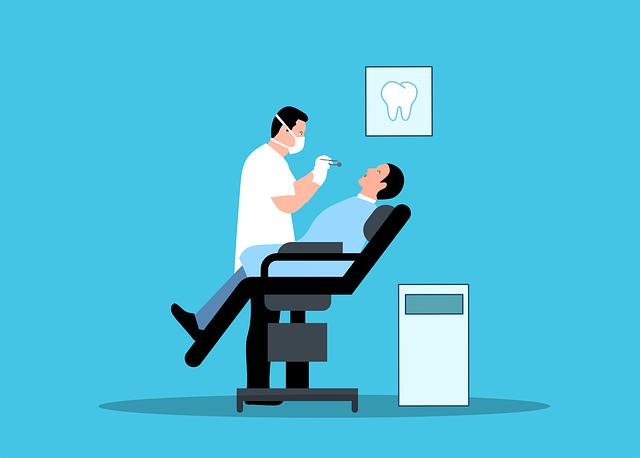
Consulting Your Dentist: When and Why Its Important
Maintaining optimal oral health is essential, and one of the most effective ways to achieve this is by regularly consulting with your dentist. There are several circumstances that warrant a visit, and understanding these can help you manage your dental health more effectively:
- Persistent Tooth Pain: If you’re experiencing ongoing discomfort, it’s crucial to consult your dentist. This could indicate an underlying issue like a cavity or infection that requires professional intervention.
- Swelling or Bleeding Gums: Any sign of gum irritation, such as swelling or bleeding during brushing or flossing, should prompt a dental visit. It may be an early sign of gum disease.
- Changes in Oral Health: Sudden changes, such as a bad taste in the mouth, persistent bad breath, or sensitivity to hot and cold foods, can signal a need for professional evaluation.
Regular check-ups, ideally every six months, not only help in the early detection of potential issues but also allow for preventive care. Your dentist can provide personalized advice tailored to your oral health, ensuring you make the most informed decisions for your dental care. This proactive approach can save you time, discomfort, and expense down the road.

Long-Term Oral Care Strategies Beyond Medication
While medications like Metrogyl 400 can provide immediate relief from tooth pain, maintaining long-term oral health requires a holistic approach that goes beyond pharmaceuticals. Incorporating consistent habits into your daily routine can significantly enhance your oral health and diminish the chances of future discomfort.
- Regular Dental Check-Ups: Schedule visits to your dentist every six months for professional cleanings and exams. This proactive measure helps in identifying potential issues early on.
- Consistent Oral Hygiene: Brush your teeth at least twice a day and floss daily. Use fluoride toothpaste and consider mouthwash for added protection against bacteria.
- Balanced Diet: Limit sugary snacks and beverages. Instead, opt for a diet rich in vitamins and minerals to strengthen your teeth and gums.
- Stay Hydrated: Drink plenty of water throughout the day to keep your mouth moist and assist in washing away food particles and bacteria.
- Protective Gear: If you grind your teeth at night or participate in contact sports, use a custom-fit mouth guard to prevent damage.
Implementing these strategies will promote overall dental health. Below is a simple table summarizing some additional practices to reinforce your oral care routine:
| Practice | Benefit |
|---|---|
| Oil Pulling | Helps reduce bacteria and improve gum health. |
| Chewing Sugar-Free Gum | Stimulates saliva production, which helps neutralize acids. |
| Limiting Acidic Foods | Prevents enamel erosion and tooth sensitivity. |
By integrating these practices into your lifestyle, you can minimize discomfort and ensure that your teeth remain healthy and strong over the long term.
The Importance of Addressing Underlying Dental Issues
Tooth pain can often serve as a warning sign from your body, signaling that something deeper is at play. Addressing the root causes of dental discomfort is essential for overall oral health. Ignoring these issues can lead to more significant complications, potentially escalating into severe infections or tooth loss. Dental problems like cavities, gum disease, or jaw misalignment require careful attention, and over-the-counter medications like Metrogyl 400 can provide temporary relief but are not a long-term solution.
By prioritizing the treatment of underlying conditions, you can:
- Enhance overall well-being: Poor oral health can affect other bodily systems, leading to broader health implications.
- Reduce treatment costs: Early intervention often means less extensive and less expensive procedures down the line.
- Avoid recurring issues: Addressing the source of discomfort can diminish the likelihood of future dental problems.
It’s crucial to consult with a dental professional to identify and manage any underlying issues effectively. Regular check-ups and preventive care not only support your dental health but also empower you to minimize pain and discomfort in the future.
Q&A
Q&A: Metrogyl 400 for Tooth Pain – Say Goodbye to Dental Discomfort
Q: What is Metrogyl 400?
A: Metrogyl 400 is a combination medication containing metronidazole and chlorhexidine. It is commonly used for treating various infections, but many people find it particularly effective for managing dental discomfort due to its antibacterial properties.
Q: How does Metrogyl 400 work for tooth pain?
A: The metronidazole component helps eliminate anaerobic bacteria that can contribute to dental infections, while chlorhexidine acts as a powerful antiseptic, helping to reduce plaque and gingivitis. Together, they address the root causes of tooth pain related to infection, allowing for relief and promoting healing.
Q: Is Metrogyl 400 safe for everyone to use for tooth pain?
A: While Metrogyl 400 is generally safe for many individuals, it’s essential to consult with a healthcare professional before using it, especially if you are pregnant, nursing, or have other underlying health conditions. Your dentist or doctor can provide personalized advice and determine if it’s the right option for your specific situation.
Q: How should I use Metrogyl 400 to manage tooth pain?
A: Typically, Metrogyl 400 is applied topically to the affected area or used as a mouthwash. It’s crucial to follow the dosage instructions provided by your dentist or the packaging. Make sure to avoid eating or drinking for at least 30 minutes after using it to maximize its effectiveness.
Q: How long does it usually take for Metrogyl 400 to relieve tooth pain?
A: Many individuals report a noticeable improvement in discomfort within a few days of starting treatment. However, the timeframe can vary depending on the severity of the infection and individual response to the medication. If symptoms persist beyond this time, it’s important to consult your dentist.
Q: Are there any side effects associated with Metrogyl 400?
A: While side effects are relatively uncommon, some users may experience an allergic reaction, dry mouth, or taste alteration. If you notice any severe or persistent reactions, it’s crucial to seek medical advice promptly.
Q: Can I use Metrogyl 400 for tooth pain caused by conditions other than infections, like sensitivity or cavities?
A: Metrogyl 400 is primarily effective for pain due to infections. For sensitivity or cavities, other treatments might be more appropriate. It’s best to speak with your dentist to explore the most effective options for your specific dental issues.
Q: Should I continue using Metrogyl 400 if my tooth pain subsides?
A: Once you’ve experienced significant relief, it’s advisable to stop using the medication and consult your dentist for a follow-up. They can assess whether any underlying conditions need to be addressed, ensuring you receive the best care moving forward.
Q: Where can I purchase Metrogyl 400?
A: Metrogyl 400 is available at pharmacies and can be purchased with or without a prescription depending on the regulations in your area. However, purchasing it after consulting a healthcare professional is recommended to ensure it fits your specific needs.
Q: What else can I do to manage tooth pain while using Metrogyl 400?
A: In addition to using Metrogyl 400, maintaining good oral hygiene, including regular brushing and flossing, can help. Over-the-counter pain relievers like ibuprofen or acetaminophen can also offer temporary relief. Nonetheless, it’s essential to see your dentist for a thorough examination to address the underlying cause of your tooth pain effectively.
With the right approach, including the use of Metrogyl 400, you can effectively manage dental discomfort and pave the way for better oral health. Always remember to prioritize your overall dental care for long-lasting relief!
Wrapping Up
Metrogyl 400 offers a powerful solution for alleviating dental discomfort, particularly when it comes to fighting bacterial infections that can cause tooth pain. With its effectiveness in reducing inflammation and promoting healing, it stands as a reliable option for those seeking relief. However, it’s crucial to consult your dentist for personalized advice and to ensure that this medication fits within your treatment plan. Remember, your dental health is essential, and taking proactive steps can help you say goodbye to discomfort and welcome a brighter smile. If you have any more questions or need guidance, don’t hesitate to reach out—a healthy mouth leads to a happy life!
Related posts:
Rivaroxaban Drug Class: Understanding Its Role
Is Clonazepam the Same as Rivotril? Clarifying Confusion
Rivotril Benefits: How It Can Improve Your Health
Accidentally Took 2 Truvada? What You Need to Know Immediately
How Long Does It Take for Rivaroxaban to Work?
Is Rivotril a Sleeping Pill? Exploring Its Uses
Get our latest guides, news, and insights highlighted in your Google Search & AI Overviews.
