
Page Contents
- If Allergy Injection Meds Were Left Out of Refrige for 2 Days Are They Still Usable? Protein Denaturation and Potency Loss
- Why Temperature Control Matters for Allergy Serum
- Signs Your Serum May Be Compromised
- Frequently Asked Questions
- Metrogyl for Fish: Ensuring Aquatic Health
- Is Zofran Compatible with LR? A Detailed Look
- Accidentally Took ADHD Meds at Night? Here's What Could Happen
- What is the Shelf Life of Castor Oil? Ensure Your Oil Stays Effective
- Rivotril and Alcohol: Dangerous Interactions
- Rivotril Alternatives: Exploring Other Options
If Allergy Injection Meds Were Left Out of Refrige for 2 Days Are They Still Usable? Protein Denaturation and Potency Loss
If you forgot your immunotherapy vials on the kitchen counter or had a travel mishap and are wondering if allergy injection meds were left out of refrige for 2 days are they still usable, clinical allergists and immunologists explain the biological effects of room temperature exposure:
| Extract Preservation Type | 48-Hour Room Temp Stability (Under 75°F/24°C) | Biological Degradation Rate | Clinical Action Protocol |
|---|---|---|---|
| 50% Glycerin Preserved Extracts | Relatively Stable (Moderate stability buffer) | Low to moderate loss of major allergens (Bet v 1, Fel d 1). | Notify allergy nurse; vial is often salvagable. |
| Aqueous (Water-Based) Dilutions | HIGH DEGRADATION RISK (Potency lost rapidly) | Proteins denature within 24–48 hours without cold storage. | Requires replacement; do NOT inject without testing. |
| Venom & Mold Extracts | Very Fragile (High protease breakdown) | Intrinsic enzymes digest the therapeutic proteins. | High likelihood of requiring fresh extraction mix. |
| Heat Exposure (>80°F / 27°C) | UNUSABLE (Severe irreversible denaturation) | Complete breakdown of immunogenic protein epitopes. | Discard and order new immunotherapy prescription. |
- What Actually Happens During a 48-Hour Temperature Breach: Allergen immunotherapy extracts consist of fragile biological proteins (such as tree pollens, grass allergens, cat dander proteins, or dust mite antigens). While 50% glycerin acts as a natural stabilizer that slows decay, leaving vials at room temperature for 2 full days triggers accelerated enzymatic degradation, steadily diminishing the concentration of active therapeutic proteins.
- The Dangerous “Potency Rebound” Trap: The greatest risk of using a degraded vial is what happens when you finish it. If you inject a room-temperature vial, your body receives a weakened dose. When you subsequently switch to a brand-new, freshly refrigerated vial at full potency, your immune system receives an unexpected jolt, dramatically increasing the risk of acute systemic reactions, widespread hives, or life-threatening anaphylaxis.
- Action Steps to Take Right Now: Put the vial back into the central shelf of your refrigerator immediately (between 36°F and 46°F / 2°C and 8°C). Call your allergy clinic, explain that the vial was at room temperature for approximately 48 hours, and let your allergist determine whether to adjust your maintenance dosage downward or order a fresh replacement.
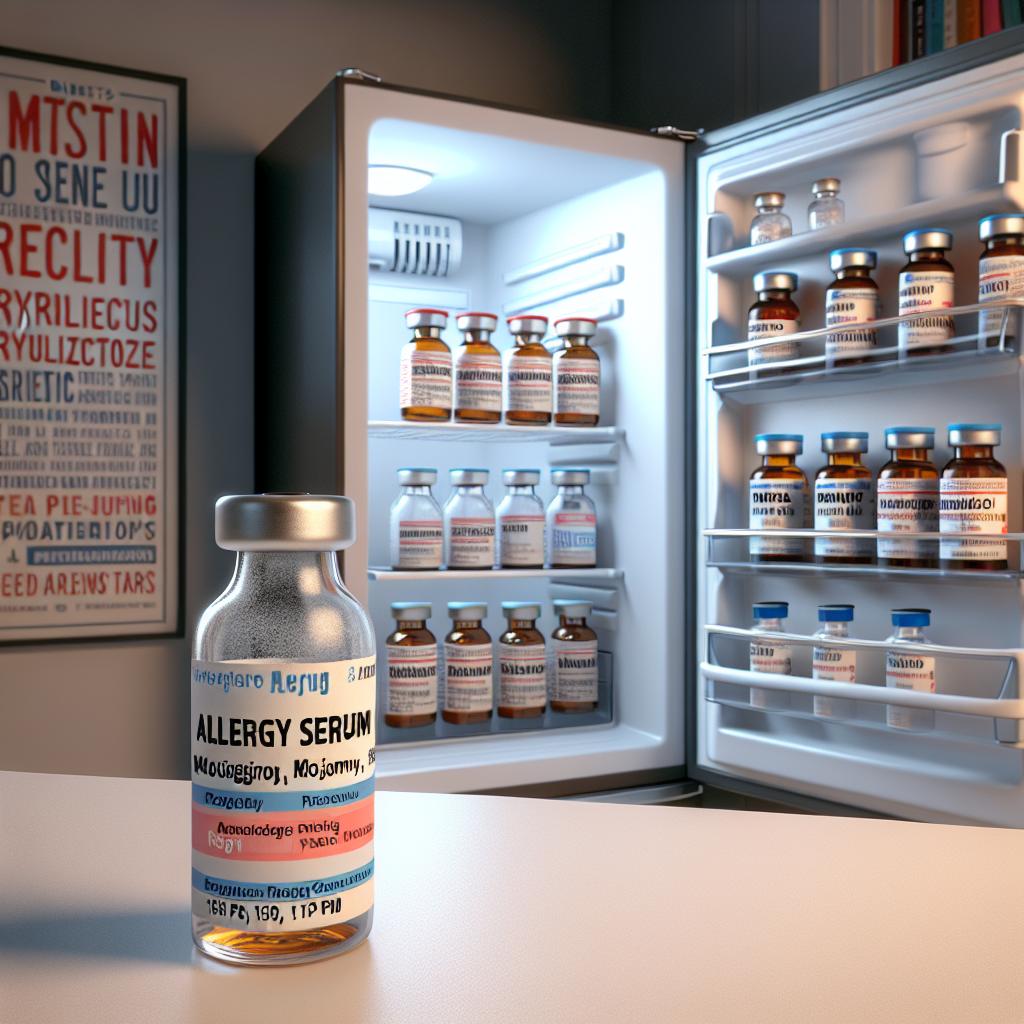
Allergy serum stability is a critical factor in maintaining the effectiveness and safety of immunotherapy treatments. If you receive regular allergy shots, you might wonder about proper allery serum temperature storage and what happens if your vials are accidentally left out of the fridge. Because these extracts contain specific proteins designed to desensitize your immune system, maintaining the correct temperature is essential to prevent degradation.
Quick Answer: What happens if allergy serum isn’t refrigerated?
If allergy injection meds were left out of refrige for 2 days are they still usable? Generally, if your allergy serum is left at room temperature (under 77°F or 25°C) for a short period—typically less than 24 to 48 hours—it may still be viable, but its potency can begin to decrease significantly. However, if an allergy patient serum temperature out of range situation occurs for longer periods or is exposed to extreme heat, the proteins denature, making the serum ineffective and potentially unsafe. Always consult your allergist before using a vial that has not been stored correctly.
Why Temperature Control Matters for Allergy Serum
Patients frequently ask, “is serum refridgeratee requirements strict?” The answer is an absolute yes. An allergy serum consists of carefully balanced biological extracts derived from pollen, dust mites, or animal dander. When these proteins are exposed to warm temperatures, they begin to break down physically. This breakdown reduces the therapeutic strength of the injections, meaning your body may not get the necessary dose to build tolerance against your specific allergens.
Most immunology clinics recommend storing your vials between 36°F and 46°F (2°C and 8°C). Keeping them in the main compartment of the refrigerator, rather than the door where temperatures fluctuate constantly, helps maintain optimal conditions.
Signs Your Serum May Be Compromised
If you suspect your vials have been compromised due to prolonged exposure to room temperature, look for physical changes. While a degraded extract might not always look different, sometimes you can spot cloudiness, unusual particles, or a change in color. Even if the liquid appears perfectly normal, a significant temperature breach means you should not inject it without explicit medical clearance from your healthcare provider.
Frequently Asked Questions
How long can allergy serum be left out of the fridge?
Allergy serum should ideally remain refrigerated. While short exposures to room temperature (under 24 hours) might not completely ruin it, prolonged exposure will degrade the proteins and reduce its effectiveness.
Can I put my allergy serum back in the fridge if I forgot it on the counter?
Yes, place it back in the refrigerator immediately. However, you must contact your allergist’s office and inform them exactly how long the vial was left out before receiving your next dose.
Does freezing allergy serum ruin it?
Yes, freezing can destroy the active proteins in the extract. Never store your vials in the freezer, and avoid placing them too close to the cooling vents in your refrigerator.
Related posts:
Metrogyl for Fish: Ensuring Aquatic Health
Is Zofran Compatible with LR? A Detailed Look
Accidentally Took ADHD Meds at Night? Here's What Could Happen
What is the Shelf Life of Castor Oil? Ensure Your Oil Stays Effective
Rivotril and Alcohol: Dangerous Interactions
Rivotril Alternatives: Exploring Other Options
Get our latest guides, news, and insights highlighted in your Google Search & AI Overviews.
