Drugs

Drugs serves as the centralized clinical pharmacology compendium documenting therapeutic chemical entities, mechanisms of action, pharmacokinetics, drug interactions, contraindications, and evidence-based clinical indications across modern medicine.

Foundational Pillars & Clinical Guides

Antimicrobial Monograph

Metrogyl 400 for Mouth Ulcers: Dental Uses & Safety | MedicineBD

Nitroimidazole anaerobic coverage, dental infection protocols, and topical mucosal applications.

Comparative Pharmacology

Metronidazole vs Flagyl: Brand vs Generic Differences | MedicineBD

Brand-name Flagyl vs. generic metronidazole bioequivalence, excipient variations, and clinical efficacy.

Antiparasitic Kinetics

How Long Does Ivermectin Keep Killing Parasites? | MedicineBD

Pharmacokinetics, tissue elimination half-life, and antiparasitic mechanism of systemic ivermectin.

Chronopharmacology Guide

Taking Thyroid Medication in the Evening: Rules | MedicineBD

Thyroid hormone absorption timing, gastric acidity requirements, and circadian administration rules.

Pharmacodynamics, Pharmacokinetics & Clinical Drug Safety

Clinical pharmacotherapy requires an exact understanding of pharmacodynamics (what the drug does to the physiological receptor) and pharmacokinetics (absorption, distribution, metabolism, and excretion). Every pharmaceutical agent in this directory is categorized by therapeutic class, receptor affinity, cytochrome P450 enzymatic pathways, and clearance mechanisms (renal vs. hepatic). Evaluating these clinical attributes enables clinicians and patients to predict therapeutic onset, understand biological half-life, and circumvent dangerous polypharmacy interactions.

Prescription accuracy relies on strict adherence to therapeutic windows. Narrow therapeutic index medications demand rigorous adherence to dosing schedules, renal adjustment protocols based on creatinine clearance, and systematic surveillance for adverse drug reactions (ADRs). Our monographs provide objective, verified pharmacological data directly derived from peer-reviewed evidence and regulatory compendia.

Pharmaceutical ClassCore Target / PathwayPrimary Clinical Application
Nitroimidazoles (e.g. Metronidazole)Anaerobic microbial DNA helical disruptionDental abscesses, trichomoniasis, amebiasis, and C. difficile
Anticoagulants (Factor Xa Inhibitors)Direct selective blockade of Factor XaStroke prevention in nonvalvular AFib and treatment of DVT/PE
5-HT3 Receptor AntagonistsPeripheral and central vagal serotonin antagonismPrevention of chemotherapy-induced and post-operative nausea
GABA-A Allosteric ModulatorsEnhancement of GABA-mediated chloride conductanceSeizure disorders, acute panic, and central muscular spasticity

Therapeutic Directory & Monograph Index

Anti-Infective & Antimicrobial Agents

Systemic and topical antibacterials, antiprotozoals, and antiparasitic monographs.

Cardiovascular & Hemostatic Regulators

Direct oral anticoagulants, antiplatelet therapies, and hemodynamic management.

Central Nervous System & Psychotropics

Anticonvulsants, mood stabilizers, and high-potency anxiolytic clinical monographs.

Frequently Asked Clinical Questions

What is the fundamental difference between generic and brand-name medications?

Generic pharmaceuticals contain the identical active pharmaceutical ingredient (API) in the same strength, dosage form, and route of administration as brand-name references. Regulatory authorities require generics to demonstrate bioequivalence (80% to 125% AUC confidence interval) without differences in therapeutic efficacy.

Why is cytochrome P450 (CYP450) metabolism critical in multi-drug regimens?

The CYP450 enzyme family in the liver metabolizes the majority of oral drugs. Concomitant administration of CYP3A4 or CYP2D6 inhibitors or inducers can drastically elevate plasma drug concentrations leading to toxicity, or accelerate clearance resulting in therapeutic failure.

What factors determine medication stability and storage requirements?

Chemical degradation through hydrolysis, photolysis, and oxidation is accelerated by ambient temperature and moisture. Biological peptides (such as insulins and incretins) require continuous 2°C to 8°C cold chains to prevent peptide denaturing and conformational loss of potency.

Clinical Reference & E-E-A-T Institutional Governance

Authored and maintained by the Clinical Pharmacology & Pharmacotherapy Editorial Desk at MedicineBD. All synthesized monographs reflect consensus findings from the U.S. Food and Drug Administration (FDA), European Medicines Agency (EMA), and peer-reviewed clinical pharmacokinetics compendia.

Statutory Notice: This clinical pharmacotherapy reference models published pharmacological compendia, clinical trial data, and regulatory guidelines for informational and educational purposes only. It does not constitute medical advice, diagnosis, or personalized treatment recommendations. For individualized medication management or prescription guidance, consult a licensed healthcare practitioner or clinical pharmacist.

Metrogyl Gel for Wounds: Accelerate Healing with Metrogyl

Drugs, Metrogyl

Metrogyl Gel for Wounds: Accelerate Healing with Metrogyl

Metrogyl Gel is a powerful ally in wound care, promoting faster healing thanks to its antibacterial properties. Applying this gel not only helps prevent infection but also supports the natural recovery process, making it an essential addition to your first aid toolkit.

READ MORE
Can Rivotril Make You Sleepy? Understanding Its Effects

Drugs, Rivotril

Can Rivotril Make You Sleepy? Understanding Its Effects

Rivotril, known generically as clonazepam, is a benzodiazepine often prescribed for anxiety and seizures. While it can promote relaxation and help with sleep, it may also cause drowsiness. Understanding its effects is essential for safe use.

READ MORE
Gabantin Forte Composition: Unveiling the Key Ingredients

Drugs, Gabatin

Gabantin Forte Composition: Unveiling the Key Ingredients

Gabantin Forte combines two powerful ingredients: Gabapentin and Ibuprofen. Gabapentin is effective for neuropathic pain, while Ibuprofen offers anti-inflammatory benefits. Together, they provide comprehensive relief for various painful conditions.

READ MORE
Metrogyl 200 Dosage for Adults: Proper Usage and Guidelines

Drugs, Metrogyl

Metrogyl 200 Dosage for Adults: Proper Usage and Guidelines

When using Metrogyl 200 for adults, the typical dosage is one tablet taken two to three times daily, as prescribed by your healthcare provider. Always follow your doctor's instructions, ensuring the course is completed for optimal effectiveness.

READ MORE
Saxenda: What Happens If It Isn’t Refrigerated?

Drugs

Saxenda: What Happens If It Isn’t Refrigerated?

Saxenda is a medication that needs to be stored in the refrigerator to remain effective. If it's left unrefrigerated for too long, its potency can diminish, leading to reduced efficacy. Always check storage guidelines to ensure you’re getting the full benefits!

READ MORE
Rivotril Drops Dosage for Adults: Proper Usage

Drugs, Rivotril

Rivotril Drops Dosage for Adults: Proper Usage

Rivotril drops, containing clonazepam, are often prescribed for anxiety and seizures in adults. It's crucial to follow your doctor's dosage recommendations, typically starting with 0.5 mg per day. Always use a dropper for accurate measurement and never adjust the dose without consulting your healthcare provider.

READ MORE
Is Metrogyl and Flagyl Same? Comparing Two Popular Medications

Drugs, Metrogyl

Is Metrogyl and Flagyl Same? Comparing Two Popular Medications

Metrogyl and Flagyl often cause confusion, but they're essentially the same. Both contain the active ingredient metronidazole and are used to treat various infections. Understanding their similarities helps ensure effective treatment and correct usage.

READ MORE
Forgot to Put Cat Baytril in Refrigerator: What Are the Implications?

Drugs

Forgot to Put Cat Baytril in Refrigerator: What Are the Implications?

If you accidentally left Cat Baytril out of the refrigerator, don't panic. While it's best stored cold to maintain efficacy, in most cases, it can still be effective for short periods at room temperature. Always consult your vet for specific guidance!

READ MORE
Gabantin 300mg Uses: What You Need to Know

Drugs, Gabatin

Gabantin 300mg Uses: What You Need to Know

Gabantin 300mg is commonly used to treat nerve pain and manage seizures in conditions like epilepsy. It's important to take it as prescribed, as it helps stabilize mood and alleviate discomfort. Always consult your doctor to ensure it's right for you.

READ MORE
What is the Shelf Life of Castor Oil? Ensure Your Oil Stays Effective

Drugs

What is the Shelf Life of Castor Oil? Ensure Your Oil Stays Effective

Castor oil typically has a shelf life of about 1 to 2 years when stored correctly. To keep it effective, store it in a cool, dark place, and always check for changes in smell or consistency before use. Proper care ensures you get the most from this versatile oil!

READ MORE
Oleanz 5 Review: Real User Experiences and Ratings

Drugs, Oleanz

Oleanz 5 Review: Real User Experiences and Ratings

In this Oleanz 5 review, we delve into real user experiences and ratings to provide an honest look at its effectiveness. Many users report improved mood stability, but individual responses vary. Join us as we explore insights from everyday users.

READ MORE
Forgot to Refrigerate Clavamox: Is It Still Effective?

Drugs

Forgot to Refrigerate Clavamox: Is It Still Effective?

If you accidentally left Clavamox out of the fridge, you might be wondering about its effectiveness. Typically, Clavamox should be stored in a cool place; however, if it's only been out for a short time, it may still be usable. Always consult your vet for specific guidance.

READ MORE
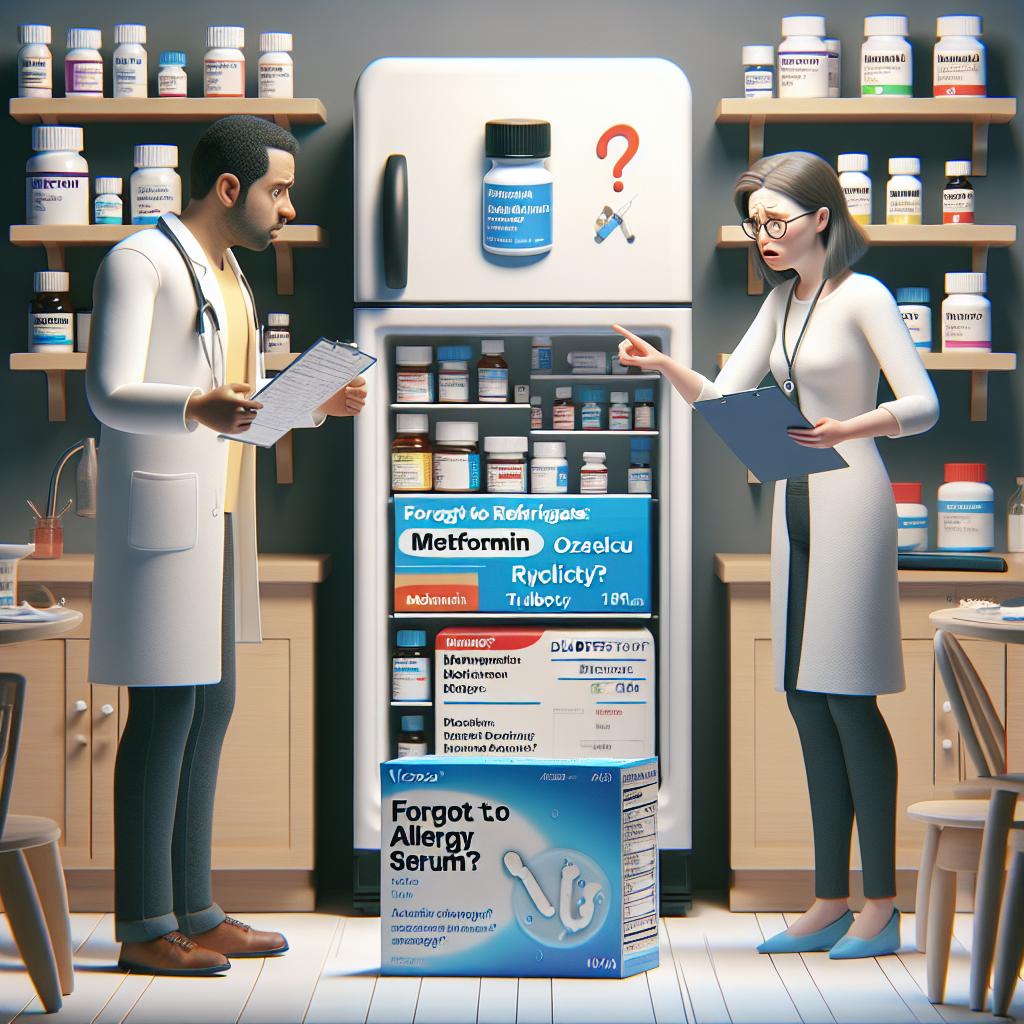
Forgot to Refrigerate Allergy Serum: Is It Compromised?

Drugs

Forgot to Refrigerate Allergy Serum: Is It Compromised?

If you've accidentally left your allergy serum out of the fridge, don't panic just yet! While refrigeration is crucial for preserving its effectiveness, brief periods at room temperature may not necessarily compromise it. Always check for changes in appearance or smell, and consult your pharmacist for guidance.

READ MORE
Accidentally Took Airborne While Pregnant? The Startling Facts

Drugs

Accidentally Took Airborne While Pregnant? The Startling Facts

If you accidentally took Airborne while pregnant, don’t panic. While it contains vitamins and minerals typically safe for most, consult your healthcare provider immediately for personalized advice. Understanding its ingredients is key to ensuring a healthy pregnancy.

READ MORE
Gabantin for Anxiety: Can It Really Help?

Drugs, Gabatin

Gabantin for Anxiety: Can It Really Help?

Gabantin, primarily used for nerve pain, is gaining attention for its potential in managing anxiety. While some users report reduced anxiety symptoms, it's essential to consult a healthcare provider to discuss its suitability for your specific needs.

READ MORE
Rivotril for Insomnia: A Reliable Solution?

Drugs, Rivotril

Rivotril for Insomnia: A Reliable Solution?

Rivotril, primarily used to treat anxiety and seizures, has gained attention for its potential to alleviate insomnia. While some patients report improved sleep quality, it’s essential to weigh the benefits against possible side effects. Consulting a healthcare professional is crucial before considering Rivotril as a reliable solution for insomnia.

READ MORE
Zofran and Compazine Together: Safe or Risky?

Drugs, Zofran

Zofran and Compazine Together: Safe or Risky?

Combining Zofran and Compazine can be effective for managing severe nausea and vomiting, but it’s crucial to consult a healthcare professional first. Each medication has unique effects, and understanding potential interactions is essential for safety.

READ MORE
Does Rivaroxaban Cause Weight Gain?

Drugs, Rivaroxaban

Does Rivaroxaban Cause Weight Gain?

Rivaroxaban, a popular anticoagulant, is not directly linked to weight gain. However, some users report changes in appetite or lifestyle that could affect weight. Always consult your healthcare provider for personalized advice on medication side effects.

READ MORE
Does Rivaroxaban Cause Hair Loss?

Drugs, Rivaroxaban

Does Rivaroxaban Cause Hair Loss?

Rivaroxaban, a common anticoagulant, has raised questions about potential side effects, including hair loss. While anecdotal reports exist, current research doesn't definitively link Rivaroxaban to hair thinning. Always consult your doctor for personalized advice.

READ MORE
Does Rivaroxaban Make You Tired?

Drugs, Rivaroxaban

Does Rivaroxaban Make You Tired?

Rivaroxaban, a popular anticoagulant, can cause fatigue in some users. While tiredness isn't a common side effect, it may stem from interactions or underlying health issues. Always consult your doctor if you experience unusual fatigue on this medication.

READ MORE
What if stabilizing your blood sugar was just ONE capsule away?
DOCTOR-APPROVED: "THIS NATURAL FORMULA IS CHANGING LIVES"
Gluco Extend combines Gymnema sylvestre, Cinnamomum cassia, and 9+ other powerful ingredients that:
  • Support healthy glucose levels
  • Enhance natural metabolism
  • Reduce sugar cravings
  • Boost daily energy
Overlay Image