Drugs

Drugs serves as the centralized clinical pharmacology compendium documenting therapeutic chemical entities, mechanisms of action, pharmacokinetics, drug interactions, contraindications, and evidence-based clinical indications across modern medicine.

Foundational Pillars & Clinical Guides

Antimicrobial Monograph

Metrogyl 400 for Mouth Ulcers: Dental Uses & Safety | MedicineBD

Nitroimidazole anaerobic coverage, dental infection protocols, and topical mucosal applications.

Comparative Pharmacology

Metronidazole vs Flagyl: Brand vs Generic Differences | MedicineBD

Brand-name Flagyl vs. generic metronidazole bioequivalence, excipient variations, and clinical efficacy.

Antiparasitic Kinetics

How Long Does Ivermectin Keep Killing Parasites? | MedicineBD

Pharmacokinetics, tissue elimination half-life, and antiparasitic mechanism of systemic ivermectin.

Chronopharmacology Guide

Taking Thyroid Medication in the Evening: Rules | MedicineBD

Thyroid hormone absorption timing, gastric acidity requirements, and circadian administration rules.

Pharmacodynamics, Pharmacokinetics & Clinical Drug Safety

Clinical pharmacotherapy requires an exact understanding of pharmacodynamics (what the drug does to the physiological receptor) and pharmacokinetics (absorption, distribution, metabolism, and excretion). Every pharmaceutical agent in this directory is categorized by therapeutic class, receptor affinity, cytochrome P450 enzymatic pathways, and clearance mechanisms (renal vs. hepatic). Evaluating these clinical attributes enables clinicians and patients to predict therapeutic onset, understand biological half-life, and circumvent dangerous polypharmacy interactions.

Prescription accuracy relies on strict adherence to therapeutic windows. Narrow therapeutic index medications demand rigorous adherence to dosing schedules, renal adjustment protocols based on creatinine clearance, and systematic surveillance for adverse drug reactions (ADRs). Our monographs provide objective, verified pharmacological data directly derived from peer-reviewed evidence and regulatory compendia.

Pharmaceutical ClassCore Target / PathwayPrimary Clinical Application
Nitroimidazoles (e.g. Metronidazole)Anaerobic microbial DNA helical disruptionDental abscesses, trichomoniasis, amebiasis, and C. difficile
Anticoagulants (Factor Xa Inhibitors)Direct selective blockade of Factor XaStroke prevention in nonvalvular AFib and treatment of DVT/PE
5-HT3 Receptor AntagonistsPeripheral and central vagal serotonin antagonismPrevention of chemotherapy-induced and post-operative nausea
GABA-A Allosteric ModulatorsEnhancement of GABA-mediated chloride conductanceSeizure disorders, acute panic, and central muscular spasticity

Therapeutic Directory & Monograph Index

Anti-Infective & Antimicrobial Agents

Systemic and topical antibacterials, antiprotozoals, and antiparasitic monographs.

Cardiovascular & Hemostatic Regulators

Direct oral anticoagulants, antiplatelet therapies, and hemodynamic management.

Central Nervous System & Psychotropics

Anticonvulsants, mood stabilizers, and high-potency anxiolytic clinical monographs.

Frequently Asked Clinical Questions

What is the fundamental difference between generic and brand-name medications?

Generic pharmaceuticals contain the identical active pharmaceutical ingredient (API) in the same strength, dosage form, and route of administration as brand-name references. Regulatory authorities require generics to demonstrate bioequivalence (80% to 125% AUC confidence interval) without differences in therapeutic efficacy.

Why is cytochrome P450 (CYP450) metabolism critical in multi-drug regimens?

The CYP450 enzyme family in the liver metabolizes the majority of oral drugs. Concomitant administration of CYP3A4 or CYP2D6 inhibitors or inducers can drastically elevate plasma drug concentrations leading to toxicity, or accelerate clearance resulting in therapeutic failure.

What factors determine medication stability and storage requirements?

Chemical degradation through hydrolysis, photolysis, and oxidation is accelerated by ambient temperature and moisture. Biological peptides (such as insulins and incretins) require continuous 2°C to 8°C cold chains to prevent peptide denaturing and conformational loss of potency.

Clinical Reference & E-E-A-T Institutional Governance

Authored and maintained by the Clinical Pharmacology & Pharmacotherapy Editorial Desk at MedicineBD. All synthesized monographs reflect consensus findings from the U.S. Food and Drug Administration (FDA), European Medicines Agency (EMA), and peer-reviewed clinical pharmacokinetics compendia.

Statutory Notice: This clinical pharmacotherapy reference models published pharmacological compendia, clinical trial data, and regulatory guidelines for informational and educational purposes only. It does not constitute medical advice, diagnosis, or personalized treatment recommendations. For individualized medication management or prescription guidance, consult a licensed healthcare practitioner or clinical pharmacist.

Rivotril and Alcohol: Dangerous Interactions

Drugs, Rivotril

Rivotril and Alcohol: Dangerous Interactions

Combining Rivotril (clonazepam) with alcohol can be extremely dangerous. Both substances are central nervous system depressants, and their interaction can lead to severe drowsiness, respiratory issues, or even overdose. Always consult a healthcare professional before mixing medications and alcohol. Stay safe!

READ MORE
Rivaroxaban Price: Is It Worth the Cost?

Drugs, Rivaroxaban

Rivaroxaban Price: Is It Worth the Cost?

Rivaroxaban, a popular anticoagulant, often raises questions about its cost versus benefits. While prices can be steep, its effectiveness in preventing strokes and other complications might justify the investment in your health. Is it worth it for you?

READ MORE
Alfredo Forgot to Refrigerate After Opening: Is It Safe to Eat?

Drugs

Alfredo Forgot to Refrigerate After Opening: Is It Safe to Eat?

If you’ve left Alfredo sauce out after opening, you might wonder if it’s still safe to eat. Generally, if it’s been more than two hours at room temperature, it’s best to err on the side of caution and discard it to avoid foodborne illness. Always trust your instincts!

READ MORE
Forgot to Refrigerate Insulin: How It Affects Your Medication

Drugs

Forgot to Refrigerate Insulin: How It Affects Your Medication

Forgetting to refrigerate insulin can compromise its effectiveness. Insulin should be stored between 36°F and 46°F (2°C to 8°C). If left at room temperature for too long, it may lose potency, making it less effective in managing blood sugar levels. Always check expiration dates and storage guidelines to ensure optimal care for your medication.

READ MORE
I Forgot to Refrigerate My Cat’s Gabapentin: Is It Safe?

Drugs

I Forgot to Refrigerate My Cat’s Gabapentin: Is It Safe?

If you’ve forgotten to refrigerate your cat’s gabapentin, don’t panic. Most formulations are stable at room temperature for a short period. However, check with your vet to confirm its safety before administering it to your furry friend.

READ MORE
Babybel: What Happens If It Isn’t Refrigerated?

Drugs

Babybel: What Happens If It Isn’t Refrigerated?

Babybel cheese is deliciously convenient, but what if it sits out of the fridge? While the wax seal protects it temporarily, it's best consumed within a few hours for optimal freshness. Leaving it longer can lead to spoilage, so store wisely!

READ MORE
Does Zofran Cross the Placenta? What Pregnant Women Should Know

Drugs, Zofran

Does Zofran Cross the Placenta? What Pregnant Women Should Know

Zofran, often prescribed for nausea, can cross the placenta. While many find it effective, pregnant women should consult their healthcare provider about potential risks and benefits to ensure safety for both mother and baby.

READ MORE
Does Testosterone Have a Shelf Life? Key Facts for Safe Usage

Drugs

Does Testosterone Have a Shelf Life? Key Facts for Safe Usage

Testosterone does have a shelf life, typically around 24 to 36 months from the manufacturing date when stored properly. Using expired testosterone can lead to reduced efficacy and potential side effects. Always check expiration dates and consult your healthcare provider for safe usage.

READ MORE
Gabantin Forte Side Effects: What to Watch Out For

Drugs, Gabatin

Gabantin Forte Side Effects: What to Watch Out For

Gabantin Forte can be effective for managing nerve pain, but it’s crucial to be aware of potential side effects. Common issues include dizziness, fatigue, and gastrointestinal disturbances. Always consult your doctor if you notice anything unusual. Your health matters!

READ MORE
Rivotril Drops Dosage for Sleep: Effective Use

Drugs, Rivotril

Rivotril Drops Dosage for Sleep: Effective Use

When considering Rivotril drops for sleep, it's crucial to follow dosage guidelines provided by your healthcare provider. Typically, starting with a low dose and adjusting as necessary can help manage insomnia effectively while minimizing side effects. Always consult your doctor for personalized advice.

READ MORE
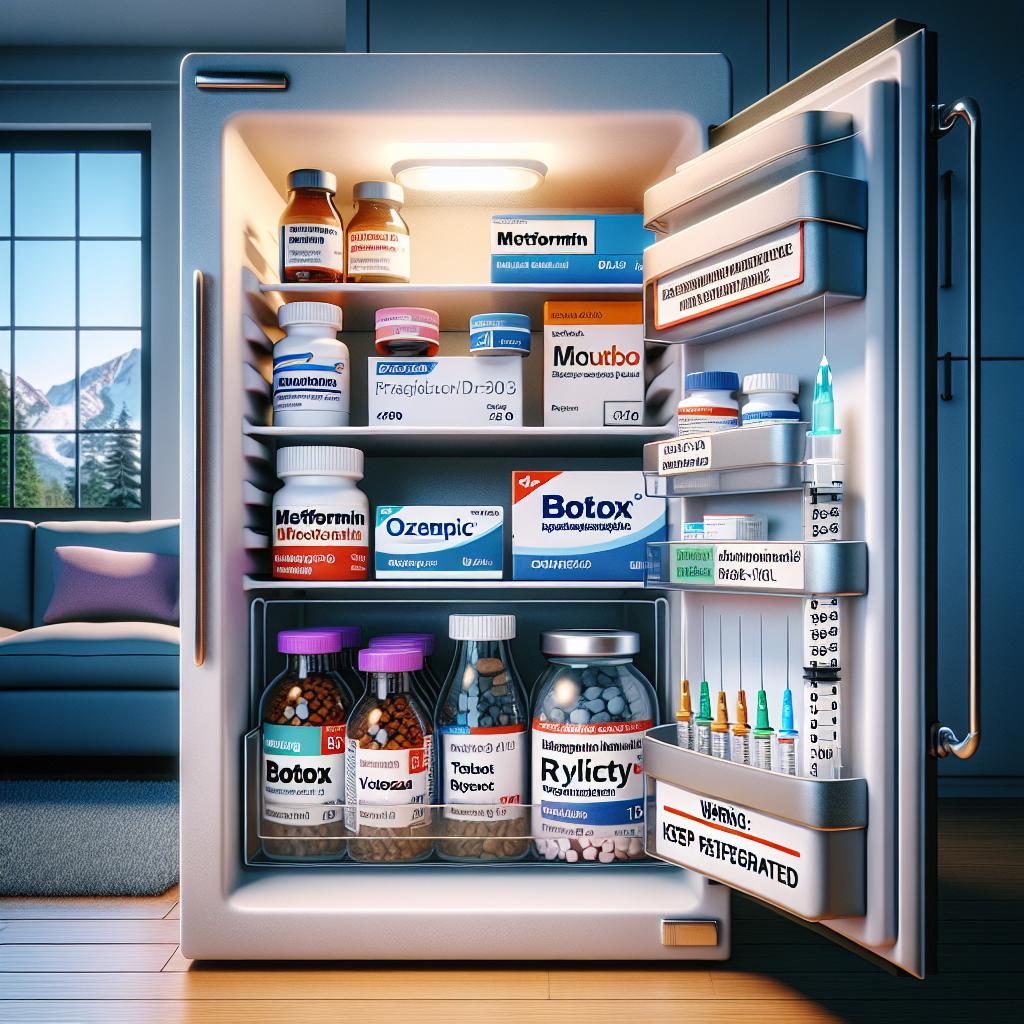
Botox: What Happens If It Isn’t Refrigerated?

Drugs

Botox: What Happens If It Isn’t Refrigerated?

Botox, a popular neuromodulator, must be refrigerated to preserve its potency. If left unrefrigerated for too long, it can lose effectiveness and lead to unpredictable results. Always follow storage guidelines for safe and effective use!

READ MORE
Is Rivaroxaban an Anticoagulant?

Drugs, Rivaroxaban

Is Rivaroxaban an Anticoagulant?

Rivaroxaban is indeed an anticoagulant, specifically a direct factor Xa inhibitor. It plays a crucial role in preventing blood clots in conditions like atrial fibrillation and deep vein thrombosis. Always consult your healthcare provider for personalized advice on its use.

READ MORE
Rivotril Dosage for Anxiety: Finding the Right Amount

Drugs, Rivotril

Rivotril Dosage for Anxiety: Finding the Right Amount

When considering Rivotril for anxiety, finding the right dosage is crucial. Start low and adjust only under a doctor’s guidance, as individual responses vary. It’s essential to balance effective relief with minimal side effects for optimal results.

READ MORE
Rivotril Muscle Relaxant: Benefits and Uses

Drugs, Rivotril

Rivotril Muscle Relaxant: Benefits and Uses

Rivotril, primarily known for its anti-anxiety properties, also serves as an effective muscle relaxant. Its ability to alleviate muscle tension can benefit those with chronic pain, giving them a greater sense of mobility and comfort in daily activities.

READ MORE
Can You Drink Alcohol While Taking Rivaroxaban?

Drugs, Rivaroxaban

Can You Drink Alcohol While Taking Rivaroxaban?

When taking rivaroxaban, it's important to be cautious with alcohol. Moderate drinking may be acceptable, but excessive consumption can increase bleeding risks. Always consult your healthcare provider to ensure your safety and health.

READ MORE
Metrogyl for Cats: Safe and Effective Use in Pets

Drugs, Metrogyl

Metrogyl for Cats: Safe and Effective Use in Pets

Metrogyl, also known as metronidazole, can be a safe and effective treatment for cats dealing with gastrointestinal issues and infections. Always consult your veterinarian for proper dosage and monitor for any side effects to ensure your pet's well-being.

READ MORE
Amoxicillin: What Happens If It Isn’t Refrigerated?

Drugs

Amoxicillin: What Happens If It Isn’t Refrigerated?

Amoxicillin, like many antibiotics, is sensitive to temperature. If it's not refrigerated, especially after opening, it can lose potency. This means it may not effectively treat infections. Always follow storage instructions to ensure its efficacy!

READ MORE
Forgot to Refrigerate Probiotics: Are They Still Good?

Drugs

Forgot to Refrigerate Probiotics: Are They Still Good?

If you've accidentally left your probiotics out, don’t panic just yet! Many probiotics can survive a little time at room temperature. However, check the label for specific storage instructions. If they look, smell, and taste fine, they’re likely still effective!

READ MORE
Insulin: What Happens If It Isn’t Refrigerated?

Drugs

Insulin: What Happens If It Isn’t Refrigerated?

Insulin is vital for managing diabetes, but what happens if it’s not refrigerated? When exposed to temperatures above 86°F (30°C), insulin can degrade, losing its effectiveness. Always store it properly to ensure it works when you need it most!

READ MORE
Forgot to Refrigerate Vetsulin: What Are the Implications?

Drugs

Forgot to Refrigerate Vetsulin: What Are the Implications?

If you accidentally left Vetsulin out of the fridge, it’s crucial to assess the situation. While short exposure to room temperature may not necessarily ruin the insulin, it's best to consult your vet to ensure it's still effective for your pet.

READ MORE
Is your energy disappearing? Your quality of life declining?
ALARMING NEW STUDY: 60%+ of Americans Have Unhealthy Blood Sugar!
Discover Gluco Extend's proprietary blend of 11+ clinically proven ingredients specifically designed to:
  • Support healthy blood glucose levels
  • Boost energy and reduce fatigue
  • Stimulate metabolism naturally
"My blood sugar is stable and I have amazing energy. This product beats everything else I've tried."
Overlay Image