
Metformin and Diverticulitis: The Gut Health Connection You Can’t Ignore
Are you ready to dive into a topic that’s as riveting as a soap opera but significantly more beneficial for your gut? Buckle up, because we’re about to explore the surprising connection between Metformin—a medication often hailed as the superhero of diabetes management—and diverticulitis, the uninvited guest at your digestive party. You might be thinking, “Diverticulitis? That sounds like a creature from a sci-fi flick!” Fear not, dear reader! In this article, we’ll unpack the serious implications of gut health, the role of Metformin, and why understanding this relationship is absolutely crucial for your well-being. Grab your favorite snack (nothing too risky, please) and let’s unravel the mysteries of your intestines together—trust us, your gut will thank you later!
Page Contents
- Understanding Metformin and Its Role in Gut Health
- The Link Between Diverticulitis and Gut Microbiome
- How Metformin Influences Gut Flora and Digestive Health
- Recognizing the Symptoms of Diverticulitis
- Managing Diverticulitis: Dietary Considerations and Recommendations
- The Importance of Fiber in Preventing Diverticulitis Flare-Ups
- Consulting Your Healthcare Provider: Navigating Medication and Gut Health
- Exploring Potential Side Effects of Metformin on the Digestive System
- Lifestyle Changes for Enhanced Gut Health and Diverticulitis Management
- Faq
- In Retrospect
- Mounjaro for Sale: Where to Find the Best Deals Today
- Pronounce Metformin: Master the Correct Way to Say This Drug Name
- Where to Get Ozempic in Los Angeles: The Ultimate Guide for SoCal Residents
- Mounjaro Expiration: What Happens When It's Past Its Prime?
- Mounjaro Canadian Pharmacy: Top 5 Most Trusted Sources
- Ozempic Clicks Dosage Chart: Simplifying Your Injections
Understanding Metformin and Its Role in Gut Health
Metformin, a medication primarily used to treat type 2 diabetes, is increasingly recognized for its potential benefits beyond glucose control. One area of interest is its role in gut health, particularly in conditions like diverticulitis. Research suggests that metformin may influence the gut microbiome and promote a more balanced bacterial environment, which is crucial for digestive health.
Here are some key points to consider regarding metformin and its impact on gut health:
- Microbiome Modulation: Metformin has been shown to alter the composition of the gut microbiome, potentially increasing the abundance of beneficial bacteria while reducing harmful strains.
- Anti-inflammatory Properties: The anti-inflammatory effects of metformin may help mitigate the inflammation associated with diverticulitis, offering relief to those affected by this condition.
- Improved Gut Barrier Function: By enhancing the integrity of the gut barrier, metformin may prevent leaky gut syndrome, reducing the risk of diverticulitis flare-ups.
| Benefit | Description |
|---|---|
| Regulated Gut Flora | Helps maintain a healthy balance of gut bacteria. |
| Reduced Inflammation | May lower inflammatory markers linked to diverticulitis. |
| Enhanced Digestion | Supports better nutrient absorption and digestion. |
The relationship between metformin and gut health opens a new avenue for managing diverticulitis. By understanding how this medication affects our digestive system, we can better appreciate its potential in promoting overall gut health and preventing complications associated with diverticulitis.
The Link Between Diverticulitis and Gut Microbiome
Understanding the connection between diverticulitis and the gut microbiome is crucial for anyone looking to manage their digestive health effectively. The gut microbiome, a complex ecosystem of bacteria living in our intestines, plays a pivotal role in digestion, immune function, and inflammation regulation. An imbalance in this microbiome, often referred to as dysbiosis, can potentially trigger or exacerbate conditions like diverticulitis. Researchers have identified several key factors that contribute to this link:
- Dietary Fiber: A diet rich in fiber promotes the growth of beneficial gut bacteria, which can help minimize the risk of diverticulitis flare-ups.
- Microbial Diversity: A diverse microbiome is associated with better overall gut health; lower diversity can correlate with inflammation and disease.
- Gut Permeability: Dysbiosis may increase intestinal permeability, leading to systemic inflammation and aggravating diverticular disease.
Studies have shown that individuals with diverticulitis often have a significantly different microbiome composition compared to healthy individuals. This underscores the importance of a balanced gut flora in maintaining gut health. By nurturing your gut microbiome through dietary choices and possibly the use of prebiotics and probiotics, you may not only alleviate symptoms but also reduce the likelihood of future episodes of diverticulitis.

How Metformin Influences Gut Flora and Digestive Health
Metformin is primarily known for its role in diabetes management, but emerging research suggests it also plays a significant part in shaping gut microbiota, which can have far-reaching implications for digestive health. Studies indicate that this medication alters the composition of gut flora, enhancing the abundance of beneficial bacteria while reducing harmful strains. This balance is crucial, as a healthy gut microbiome is linked to various aspects of overall well-being, including immune function and metabolic health.
In particular, metformin appears to:
- Increase short-chain fatty acids (SCFAs): These metabolic byproducts of gut bacterial fermentation nourish colon cells and regulate inflammation.
- Reduce levels of harmful bacteria: By promoting a diverse microbiome, metformin helps to minimize dysbiosis, a condition that can lead to gastrointestinal disorders.
- Enhance gut barrier function: A robust microbiome supports the intestinal lining, reducing permeability that can result in “leaky gut” syndrome.
Understanding these effects is essential, especially for individuals prone to conditions like diverticulitis, which can arise from a compromised digestive environment. Maintaining a diverse gut flora through lifestyle choices, including a balanced diet rich in fiber, is vital. The interplay of metformin with gut health underscores the importance of monitoring not just blood sugar levels but also overall digestive well-being for those using this medication.
Recognizing the Symptoms of Diverticulitis
Understanding the early signs of diverticulitis is crucial for effective management and intervention. This condition arises when small pouches in the colon, known as diverticula, become inflamed or infected. Here are some common symptoms to be aware of:
- Abdominal pain: Typically located in the lower left side of the abdomen, this discomfort can vary from mild to severe.
- Changes in bowel habits: This may include diarrhea, constipation, or the presence of mucus in the stool.
- Nausea and vomiting: Feelings of sickness that may accompany abdominal pain can indicate an exacerbation of the condition.
- Fever: A mild fever may appear as your body attempts to fight infection.
- Fatigue: Persistent tiredness and weakness may be a subtle indication of an underlying issues.
If you notice any combination of these symptoms, it’s essential to consult a healthcare provider. They can recommend appropriate tests, such as a CT scan or colonoscopy, to confirm the diagnosis and assess the severity of the condition. Early detection and treatment can significantly reduce complications associated with diverticulitis.
| Symptom | Description |
|---|---|
| Abdominal Pain | Localized pain in the lower left abdomen. |
| Bowel Changes | Diarrhea or constipation with possible mucus presence. |
| Nausea/Vomiting | Feeling sick and possible vomiting accompanying pain. |
| Fever | Mild fever indicating infection. |
| Fatigue | Persistent tiredness signaling potential infection. |
Managing Diverticulitis: Dietary Considerations and Recommendations
Proper management of diverticulitis largely revolves around dietary choices, which play a pivotal role in maintaining gut health and preventing flare-ups. Adopting a high-fiber diet is often recommended as it promotes regular bowel movements, reducing the likelihood of diverticular complications. Here are some key considerations:
- Incorporate Leafy Greens: Vegetables such as spinach, kale, and Swiss chard are excellent sources of fiber and essential nutrients.
- Whole Grains Are Essential: Foods like brown rice, oats, and whole wheat bread contribute to a healthy gut by increasing fiber intake.
- Hydration Matters: Drinking plenty of water helps fiber do its job effectively and aids in digestive health.
When managing diverticulitis, it’s also important to avoid certain foods that can exacerbate symptoms. While opinions may vary, some common recommendations include:
- Limit Red Meat: High-fat meats can be harder to digest and may contribute to inflammation.
- Avoid Processed Foods: Items with artificial ingredients and low fiber content can disrupt gut health.
- Stay Away from Nuts and Seeds (During Flare-ups): Although they can be beneficial generally, they may pose a risk during active flare-ups for some individuals.
Additionally, considering the relationship between diet and medications like Metformin is crucial. Given Metformin’s influence on gut bacteria and how it can affect inflammatory responses, collaborating with a healthcare provider to tailor dietary approaches is essential for those managing diverticulitis.

The Importance of Fiber in Preventing Diverticulitis Flare-Ups
Including sufficient fiber in your diet plays a crucial role in managing gastrointestinal health, particularly in preventing diverticulitis flare-ups. Fiber adds bulk to your stool, promoting regular bowel movements and reducing the risk of constipation. When stools are hard, they can increase pressure in the colon, potentially leading to diverticula formation or exacerbating existing conditions.
Here are several reasons why fiber is essential for those at risk of diverticulitis:
- Regulates Bowel Movements: A high-fiber diet helps ensure consistent and smooth bowel flow, reducing the strain on your colon.
- Promotes Healthy Gut Bacteria: Fiber acts as a prebiotic, feeding beneficial gut bacteria, which helps maintain a balanced microbiome.
- Reduces Inflammation: Some fibers, particularly soluble fibers, contain anti-inflammatory properties that can help diminish irritation in the gut lining.
To maximize the benefits of fiber, consider incorporating a variety of fiber-rich foods into your meals. Here’s a simple comparison of fiber-rich options:
| Food Item | Fiber Content (grams per serving) |
|---|---|
| Black beans (1 cup cooked) | 15 |
| Chia seeds (2 tablespoons) | 10 |
| Oats (1 cup cooked) | 4 |
| Broccoli (1 cup steamed) | 5 |
| Whole grain bread (2 slices) | 6 |
By consciously increasing your fiber intake from diverse sources, you can significantly reduce the risk of diverticulitis flare-ups and promote better gut health, making it a key component of your overall dietary strategy.

When considering the interplay between medications like Metformin and digestive health issues such as diverticulitis, it’s crucial to have an informed discussion with your healthcare provider. The relationship between the medications you take and your gut health is complex, and tailored advice can help you navigate potential side effects or complications.
In preparation for your consultation, it may be helpful to jot down a few notes or questions, including:
- Current Symptoms: Document any digestive issues, discomfort, or irregularities you are experiencing.
- Medication History: List all current medications, including Metformin, to ensure your provider understands the context of your health.
- Dietary Habits: Consider maintaining a food diary for a week prior to your appointment to identify any food triggers or patterns in your gut health.
Understanding that Metformin, primarily used for managing blood sugar levels in diabetes, can have implications for gut health is essential. Some patients report gastrointestinal side effects that may exacerbate conditions like diverticulitis. Discussing these issues openly can guide your healthcare provider in adjusting dosages or considering alternatives if necessary. Keep in mind that individualized management is the best approach for ensuring both effective diabetes control and optimal gut health.
Exploring Potential Side Effects of Metformin on the Digestive System
Metformin, a widely prescribed medication for managing type 2 diabetes, has garnered significant attention for its effects on the digestive system. While it is effective in lowering blood sugar levels, many patients report various digestive issues upon starting treatment. These side effects can range from mild discomfort to more serious conditions, complicating the connection between Metformin and gut health, particularly for those concerned about issues like diverticulitis.
Common digestive side effects associated with Metformin include:
- Nausea: This is frequently experienced, especially during the initial phase of treatment.
- Diarrhea: A prevalent concern, which can lead to dehydration and further complications if left unaddressed.
- Abdominal discomfort: Cramping and bloating can occur, causing unease and impacting overall well-being.
For patients with a history of diverticulitis, these side effects can pose additional risks. The increased intestinal motility induced by Metformin may aggravate existing conditions or ignite flare-ups in susceptible individuals. Understanding the balance between managing diabetes and protecting gut health is crucial. It’s essential for patients to engage in open discussions with their healthcare providers, monitoring any digestive changes and exploring adjustments to their treatment plans if necessary.
Lifestyle Changes for Enhanced Gut Health and Diverticulitis Management
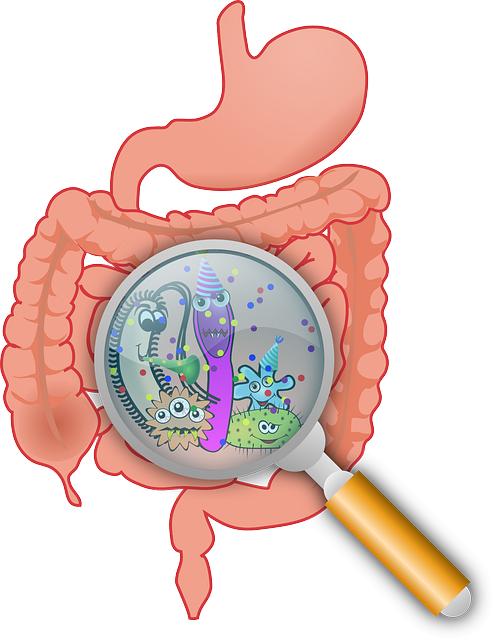
Adopting healthier lifestyle practices can significantly enhance gut health and play a vital role in managing diverticulitis. Here are some effective strategies:
- Fiber-Rich Diet: Incorporate plenty of fruits, vegetables, whole grains, and legumes into your meals. Fiber helps promote regular bowel movements and prevent diverticulitis flare-ups.
- Stay Hydrated: Drink an adequate amount of water throughout the day. Proper hydration aids in digestion and helps fiber do its job effectively.
- Regular Exercise: Engage in physical activity for at least 30 minutes most days. Exercise can help improve gut motility and reduce the risk of diverticulitis.
- Avoid Processed Foods: Limit your intake of high-fat and processed foods, which can negatively impact gut health. Opt for whole, minimally processed options instead.
Additionally, consider integrating mindfulness practices such as meditation or yoga. Stress can exacerbate digestive issues, so finding ways to manage your stress levels can contribute positively to gut health. Keeping a food diary may also help identify any specific triggers that lead to discomfort or flare-ups.
| Food Type | Benefits for Gut Health |
|---|---|
| Fruits & Vegetables | High fiber, vitamins, and antioxidants. |
| Whole Grains | Source of soluble and insoluble fiber. |
| Legumes | High in protein and fiber, promotes satiety. |
| Water | Aids digestion and fiber processing. |
Implementing these lifestyle changes can foster a healthier gut environment, ultimately supporting the management of diverticulitis and enhancing overall well-being.
Faq
Q&A: Metformin and Diverticulitis—The Gut Health Connection You Can’t Ignore
Q1: What is Metformin and how does it work?
A1: Metformin is a medication commonly prescribed to manage type 2 diabetes. It works primarily by reducing glucose production in the liver, increasing insulin sensitivity, and improving the body’s response to insulin. Additionally, it can aid in weight management, which is particularly beneficial for individuals with diabetes.
Q2: What is diverticulitis and what are its symptoms?
A2: Diverticulitis is an inflammatory condition that arises when small pouches, called diverticula, form in the walls of the colon and become inflamed or infected. Symptoms can include abdominal pain (often on the lower left side), fever, nausea, and changes in bowel habits, like constipation or diarrhea. If you experience these symptoms, it’s essential to consult a healthcare professional.
Q3: Is there a connection between Metformin and diverticulitis?
A3: Yes, there is emerging research suggesting a connection between the use of Metformin and gastrointestinal health, including conditions like diverticulitis. Some studies indicate that Metformin may positively influence gut microbiota, promoting a healthier balance of bacteria in the intestines, which can be beneficial for preventing conditions such as diverticulitis.
Q4: How does gut health affect diverticulitis?
A4: Gut health plays a crucial role in the development and management of diverticulitis. A balanced gut microbiome can help maintain a healthy digestive tract and may aid in reducing inflammation. When gut health is compromised, it can lead to increased risks of inflammation and infection, which can exacerbate conditions like diverticulitis.
Q5: Can Metformin be used to prevent diverticulitis?
A5: While Metformin is not currently approved specifically for preventing diverticulitis, its potential benefits for gut health may contribute to a lower risk. If you have concerns about diverticulitis, speak with your healthcare provider about your Metformin use and overall gut health strategy. They can help assess your individual situation and advise on preventive measures.
Q6: Are there any risks associated with using Metformin for people with diverticulitis?
A6: Generally, Metformin is considered safe for most individuals, but it can cause gastrointestinal side effects in some cases. If you have a history of diverticulitis or are currently experiencing symptoms, it’s essential to discuss your medication regimen with a healthcare professional. They can help determine if Metformin is appropriate for you and monitor any potential complications.
Q7: What lifestyle changes can support gut health alongside Metformin?
A7: Adopting a high-fiber diet rich in fruits, vegetables, whole grains, and legumes can significantly promote gut health. Staying hydrated, exercising regularly, and managing stress levels are also vital. Additionally, consider probiotic-rich foods, such as yogurt and fermented vegetables, which can help maintain a healthy gut microbiome.
Q8: How often should I discuss my gut health with my doctor if I’m taking Metformin?
A8: It’s a good idea to make gut health a regular topic in your healthcare appointments, especially if you experience any digestive symptoms. Regular check-ins can help track your overall health and allow for timely adjustments to your treatment plan if necessary.
Final Thoughts:
If you’re taking Metformin or managing a condition like diverticulitis, understanding the connection to gut health is essential. Don’t hesitate to engage with your healthcare provider about your concerns, lifestyle changes, and medication effects on your gut health. It could make all the difference in your overall well-being!
In Retrospect
understanding the connection between Metformin and diverticulitis is crucial for anyone navigating gut health challenges. As we’ve explored, this commonly prescribed medication may have implications beyond blood sugar control, potentially influencing gut flora and digestive health. If you or someone you know is dealing with diverticulitis while taking Metformin, it’s essential to stay informed and discuss any concerns with a healthcare professional. By taking a proactive approach, you can better manage your health and make informed decisions tailored to your needs. Remember, when it comes to gut health, knowledge is as important as the treatments we choose. Stay curious, stay informed, and don’t hesitate to seek support on your journey to better health!
Related posts:
Mounjaro for Sale: Where to Find the Best Deals Today
Pronounce Metformin: Master the Correct Way to Say This Drug Name
Where to Get Ozempic in Los Angeles: The Ultimate Guide for SoCal Residents
Mounjaro Expiration: What Happens When It's Past Its Prime?
Mounjaro Canadian Pharmacy: Top 5 Most Trusted Sources
Ozempic Clicks Dosage Chart: Simplifying Your Injections
Get our latest guides, news, and insights highlighted in your Google Search & AI Overviews.
